About This Teacher Training
There is a difference between learning techniques and understanding breath. Most of us have been breathing unconsciously for decades. We've held tension in our chest, shortened our inhales during stress, and forgotten that the body already knows how to regulate itself if we stop interfering.
This 100 Hour Breathwork Pranayama Meditation Teacher Training in Goa exists for people who want to understand that difference. Not to collect another certificate. Not to add skills to a teaching portfolio. But to sit with the uncomfortable question: what does it mean to truly work with breath, and why does it matter?
We are not promising transformation. We are not offering breakthroughs or awakenings. Those words have become too convenient, too marketed. What we are offering is time. Structure. A framework rooted in traditional yogic breathing practices and an environment where you can observe what happens when you stop rushing.
Who This Training Is For
This training is for yoga teachers who have been teaching asana for years and have started to notice that the most important moments in class are not the poses—they are the pauses. The breath cues. The quiet between instructions. If you have felt that shift, this course will give you language and practice to deepen what you already sense.
It is for therapists, counselors, and bodyworkers who recognize that breath is the doorway to nervous system regulation but have not been trained in how to guide it safely. You already work with people in vulnerable states. You know when someone is holding their breath while telling you something difficult. This training will help you understand what is happening physiologically and energetically in those moments, and how to respond without overstepping.
It is for serious practitioners—people who have been meditating for years, who sit daily, who have gone on retreats, who have realized that meditation is not about calming the mind but about observing it. If your practice has become more honest and less comfortable, this training will meet you there.
It is for those who want depth, not performance. If you are building an Instagram-friendly teaching brand, this is probably not the right fit. If you are interested in inner awareness and the responsibility that comes with teaching practices that affect the autonomic nervous system, it might be.
This is not a course for beginners. You do not need to be an advanced yogi, but you should have an established personal practice. You should already know what it feels like to sit in silence for thirty minutes. You should have some familiarity with pranayama, even if only through basic breath awareness in asana classes. If those things feel foreign, consider taking a foundational course first.
Why a 100 Hour Breathwork, Pranayama & Meditation Teacher Training
Most teacher trainings compress breathwork into a weekend or a single module within a 200-hour program. You learn three or four techniques. You practice them once or twice. Then you are expected to teach them.
That approach misses the point. Pranayama is not a collection of techniques. It is a system for working with prana—life force, subtle energy, the intelligence that moves through breath but is not the breath itself. Understanding that system takes time. It takes repetition. It takes watching your own nervous system respond differently to the same practice on different days.
A 100 hour training gives you that time. Fourteen days is long enough to move past the novelty of a new practice and into the territory where it becomes uncomfortable, boring, frustrating—and then, sometimes, clear. That clarity does not come from doing more practices. It comes from doing fewer practices with more attention.
This training focuses on foundations: breath awareness, classical pranayama, meditation techniques that do not require belief or visualization, and the physiology of how breathing patterns affect the nervous system. These are practices you will return to for the rest of your life, whether or not you ever teach them.
The 100-hour format also allows space for integration. After a morning session, you have time to rest, to walk, to let the practice settle before the afternoon session begins. You are not performing. You are not rushing to the next module. You are living with the practices long enough to notice what they actually do.
If you are going to teach breathwork or meditation, that lived experience matters more than theory. Students will sense whether you are repeating something you learned in a manual or speaking from years of your own confusion and clarity. This training gives you the repetition necessary to develop the latter.
Why Goa
Goa is not chosen for its beaches or its nightlife. It is chosen because the land itself invites a slower pace. The humidity forces you to move differently. The heat requires you to rest in the afternoon. The rhythm of life there—especially in the quieter villages—does not reward urgency.
This matters when you are learning to observe breath. Breath is fast. It happens twelve to twenty times per minute without your involvement. To slow down enough to actually feel what is happening in an inhale, to notice the small pause at the top of the breath, to sense the softening that occurs at the end of an exhale—that requires an environment that is not pushing you forward.
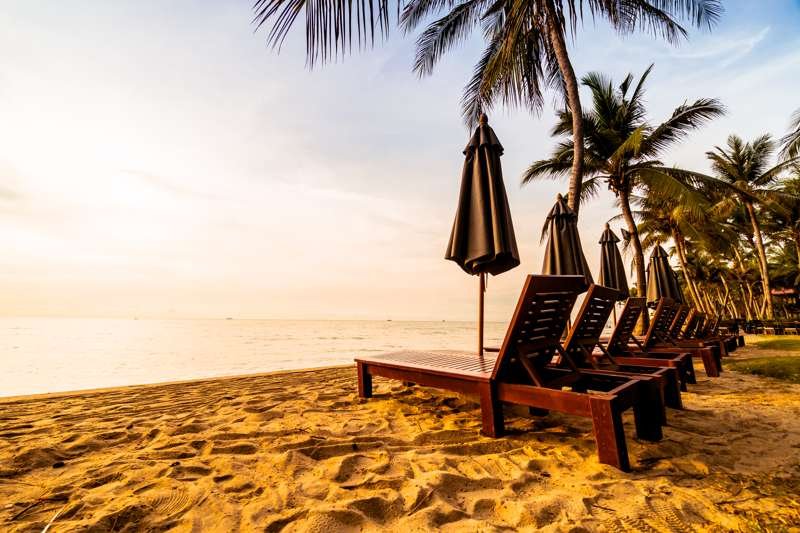
Goa offers that. Mornings are soft and golden. Evenings stretch long. There are trees everywhere, and the sound of birds, and the smell of salt and earth. You are close to the ocean but not on top of it. There is space to walk alone. Space to sit outside in the early morning without being cold. Space to be quiet without it feeling performative.
What You Will Learn
The syllabus is structured around depth, not breadth. You will not learn thirty pranayama techniques. You will learn eight to ten classical practices and spend enough time with each one to understand its mechanics, its effects, and its contraindications.
Foundations of Breath Awareness
Before you can teach pranayama, you need to understand natural breath. Most people breathe shallowly, using only the upper chest. This training begins with observation: watching your own breathing pattern without changing it. Learning to feel the movement of the diaphragm. Recognizing when you hold your breath and why. This is unglamorous work, but it is essential.
Classical Pranayama Practices
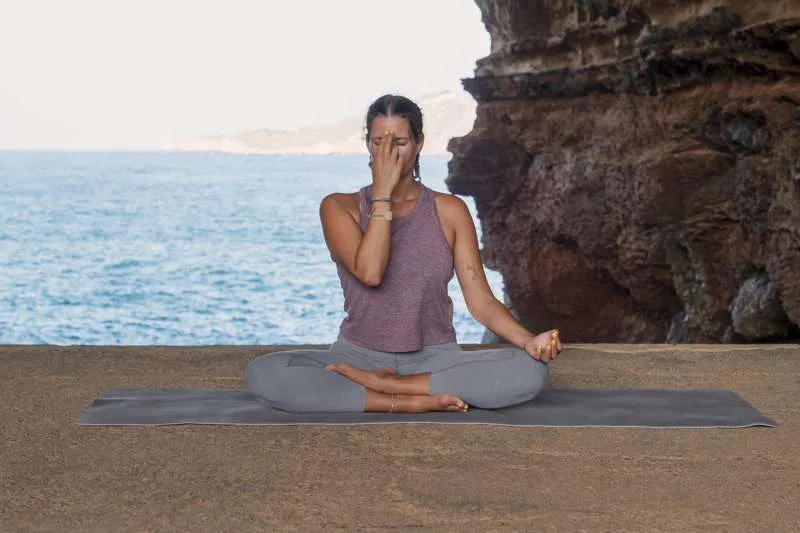
You will learn techniques such as Nadi Shodhana (alternate nostril breathing), Ujjayi (victorious breath), Bhramari (humming bee breath), Kapalabhati (skull-shining breath), and Bhastrika (bellows breath). Each practice is taught with attention to traditional methodology, physical alignment, contraindications, and energetic effects. You will practice each technique daily and learn how to teach it safely.
Nervous System and Breath
Breath is the bridge between the voluntary and involuntary nervous system. When you change your breathing pattern, you send signals to the brain that influence heart rate, blood pressure, digestion, and emotional regulation. This module covers the basics of the autonomic nervous system, polyvagal theory, and how specific breathing patterns activate sympathetic or parasympathetic responses. This is not academic. It is practical knowledge that will inform every class you teach.
Subtle Body and Energy Awareness
Yogic breathing practices are not just about oxygen and carbon dioxide. They are designed to move prana through the nadis (energy channels) and balance the koshas (layers of being). This module introduces the subtle body from a traditional perspective, without mysticism or metaphor. You will learn about the main nadis, the chakras as energetic intersections, and how pranayama is meant to prepare the body for meditation.
Meditation Techniques
Meditation is not one thing. This training covers seated meditation, breath-focused meditation, body scanning, mantra-based techniques, and silent witnessing practices. You will learn how to guide meditation without over-talking, how to hold space without filling it, and how to work with students who find meditation agitating rather than calming.
Teaching Breathwork Safely
Pranayama is powerful, which means it can cause harm if taught carelessly. This section covers contraindications for different practices, how to assess whether a student is ready for breath retention, signs of hyperventilation or dizziness, and how to modify practices for students with anxiety, asthma, or cardiovascular conditions. You will also learn how to create a safe container for emotional release, which sometimes occurs during deep breathwork.
Embodied Teaching and Presence
The way you breathe while teaching matters. The tone of your voice matters. Your ability to be present without controlling the room matters. This is not something you can memorize. It is something you develop by being taught in that way, and then practicing it yourself. The teachers at Advait Yoga Meditation do not perform. They demonstrate, they guide, and they sit with you. That model becomes part of how you learn to teach.
Daily Schedule
The day begins early, around 6:00 AM, with meditation. Not because early morning is mystical, but because the mind is quieter before the day has accumulated thoughts and tasks.
7:00 AM is pranayama practice. You will sit together and practice the techniques being taught that week. This is not a performance. Some days will feel clear. Some days will feel restless or frustrating. Both are part of the process.
Breakfast is at 8:30 AM. The food is simple—rice, dal, vegetables, fruit, chai. It is prepared to support practice, not to be memorable.
From 10:00 AM to 1:00 PM, there are teaching sessions. These include theory, discussion, anatomy, philosophy, and teaching methodology. You will also practice teaching in small groups, receiving feedback that is direct but not unkind.
Lunch is at 1:00 PM, followed by rest time. In Goa's heat, afternoon rest is not optional. This is when integration happens. Your body processes what it has learned. Your nervous system recalibrates. Sleep if you need to. Read. Sit outside. Do nothing.
At 4:00 PM, there is gentle movement or restorative yoga. This is not an asana class. It is an opportunity to feel how breath and body relate to each other when movement is slow and intentional.
Teaching Approach at Advait Yoga Meditation
The teachers will not tell you what to feel. They will not interpret your experiences for you. They will offer practices, explain their mechanics and purposes, and give you space to observe what happens. If you have a question, they will answer it directly. If you need support, they will offer it. But they will not manage your process for you.
This approach can feel impersonal at first, especially if you are used to trainings that are warm and enthusiastic. But over time, it becomes clear that this is a form of respect. You are being trusted to do your own inner work without being coddled or directed.
Accommodation
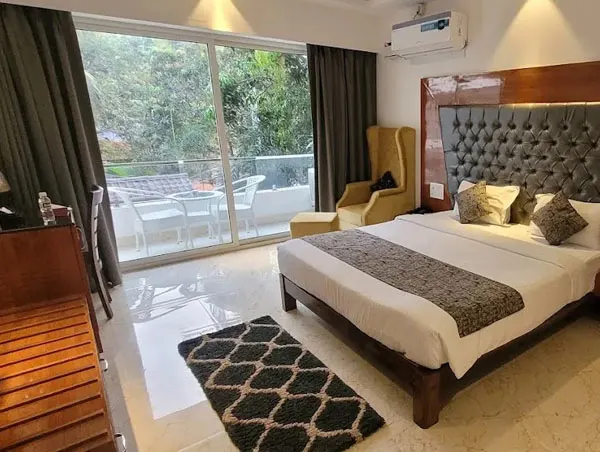
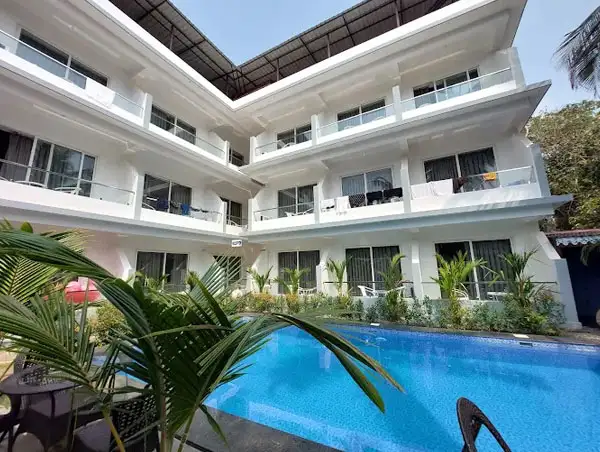
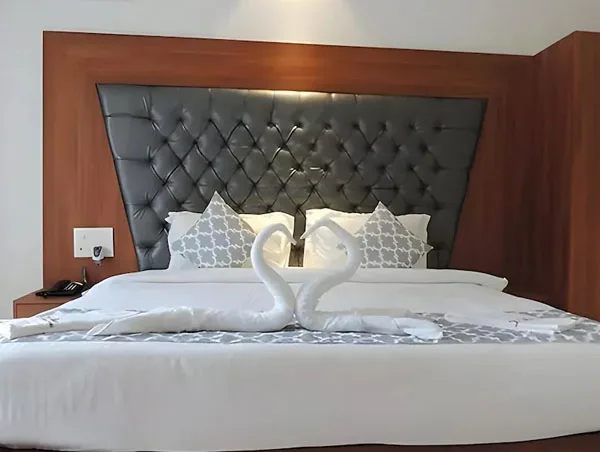
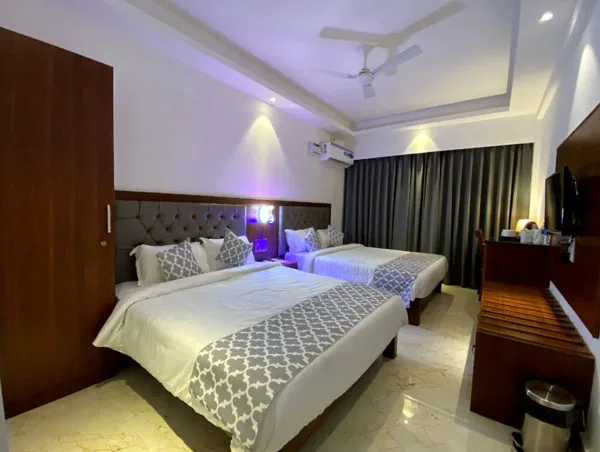
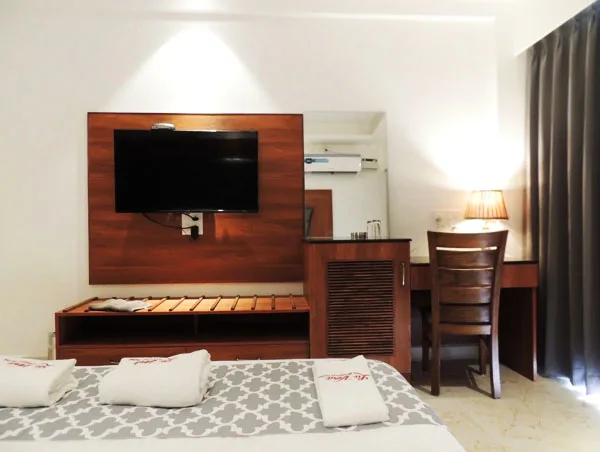
Live and learn in a peaceful and supportive yogic environment.
-
Clean & comfortable rooms with private bathrooms
-
Yoga hall & open lounge spaces for self-practice
-
Wi-Fi available
-
Close to cafes, beaches & nature — yet calm for studies
Your stay is within the yoga school — no daily travel required.
aspect of this content in the module Design settings and even apply custom CSS to this text in the module Advanced settings.
Upcoming Dates
Dates are coming soon for enquiry, you can contact on infoadvaityoga@gmail.com
Location
Enjoy the tropical environment of Goa — golden beaches, lush greenery, fresh sea air, and calming spiritual energy.
Nearest airports:
-
Goa Dabolim International Airport
-
Mopa International Airport (North Goa)
Airport pickup can be arranged upon request.
this content in the module Design settings and even apply custom CSS to this text in the module Advanced settings.
FAQ
Do I need prior experience in pranayama or meditation?
You should have a basic personal practice. If you have attended yoga classes that include breathwork, or if you meditate regularly, that is sufficient. If you have never practiced pranayama or meditation, this training may be too advanced.
Is this a certification course?
Yes. Upon completion, you will receive a certificate for 100 hours of training in breathwork, pranayama, and meditation. This certificate is recognized by Yoga Alliance and can be used toward continuing education credits. However, certification does not mean you are qualified to teach. That comes from continued practice and experience.
Can I teach breathwork and meditation after this course?
You will have the foundational knowledge and practices to begin teaching. Whether you should teach immediately depends on your own readiness and judgment. Some participants begin incorporating pranayama into their existing classes right away. Others spend another year or two deepening their personal practice before offering dedicated breathwork sessions. Both approaches are valid.
Is silence required during the training?
Not strictly. There are no full silence days. However, silence is encouraged during meditation, pranayama practice, and meal times. This helps maintain focus and allows the practices to settle. Outside of formal sessions, you are free to talk, but many participants choose to remain quiet as the training progresses.
Is this training physically intense?
No. The practices are primarily seated. There is some gentle movement, but nothing strenuous. The intensity is mental and energetic, not physical. Some people find pranayama tiring. Some people find long periods of sitting uncomfortable. But it is not physically demanding in the way an asana-intensive training would be.
What should I bring?
Comfortable clothing for sitting and light movement. A shawl or blanket for meditation. A notebook if you prefer handwritten notes. Any personal items you need. The center provides yoga mats, bolsters, and meditation cushions. Goa is warm and humid, so bring light, breathable fabrics. You do not need special yoga clothes.
Can I leave the center during the training?
You are not locked in, but leaving disrupts the rhythm of practice. If you need to leave for a necessary reason, inform the teachers. Otherwise, plan to stay on-site for the full fourteen days.