About The Program
This is a 14-day residential training. It covers breathwork, pranayama, and meditation with the intention of building understanding that goes beyond surface technique. The 100 Hour Breathwork Pranayama Meditation Teacher Training in Kalpitiya Sri Lanka is designed for people who want to learn these practices in a way that feels responsible and grounded.
Breath practices can be taught quickly. But to understand what you're working with—the nervous system, the subtle body, the relationship between breath and attention—requires time. This training gives you that time. It also gives you space to notice what happens when you slow down enough to observe your own patterns.
Kalpitiya sits along the northwestern coast of Sri Lanka. The area is not heavily developed. There is ocean, open sky, and quiet. The rhythm here supports inward attention without forcing it. The training happens in this environment because the setting matters. Stillness is easier to find when the surroundings are not constantly pulling at your senses.
This is not a course that promises transformation. It does not offer breakthroughs or healing guarantees. What it offers is instruction, structure, and the conditions for your own observation. What you do with that is up to you.
Who This Training Is For
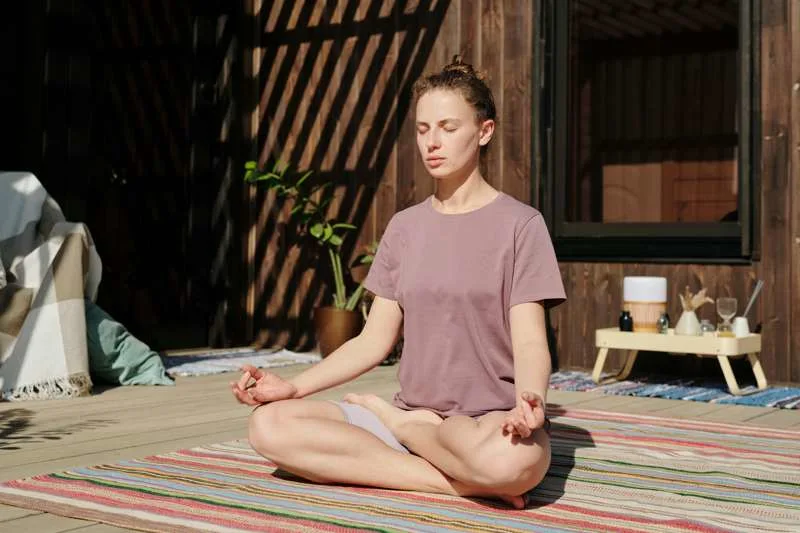
This breathwork teacher training Sri Lanka program is for yoga teachers who want to expand their understanding of breath beyond basic instruction. It is for healers and therapists who work with the body and want to understand how breathing patterns influence the nervous system. It is for serious practitioners who are less interested in collecting certifications and more interested in depth.
If you are drawn to silence, this training will make sense to you. If you prefer fast-paced environments with constant interaction, it may not. The schedule includes periods of quiet. Some of the most important learning happens when you are not speaking.
This is also for people who recognize that teaching breathwork carries responsibility. Breath practices can be powerful. They can also be destabilizing if taught without understanding contraindications or individual differences. If you want to teach these practices safely, this training addresses that directly.
You do not need to be an expert. You do need to be willing to pay attention. The people who benefit most from this training are those who can sit with discomfort, who can stay with a practice even when it feels repetitive, and who understand that embodiment takes longer than memorization.
Why a 100 Hour Breathwork, Pranayama & Meditation Teacher Training
A hundred hours is not arbitrary. It reflects the time needed to move from learning a technique to inhabiting it. Many breathwork certifications are offered over a weekend or a single week. Those formats can introduce methods, but they rarely allow for integration.
The 100 Hour Breathwork Pranayama Meditation Teacher Training in Kalpitiya Sri Lanka is structured so that you practice daily, reflect on what you notice, and return to the same practices again with more awareness. Repetition is how the body learns. Repetition is also how you begin to see the difference between performing a practice and actually doing it.
Breath practices must be learned responsibly. The techniques themselves are not complicated. But knowing when to use them, when to back off, and how to recognize signs of hyperventilation, dissociation, or nervous system overwhelm—that requires more than a manual. It requires experience and mentorship.
This training also distinguishes between technique and embodiment. You can memorize the steps of nadi shodhana or bhramari. You can teach the mechanics. But if you have not felt what happens in your own body when you regulate your exhale or extend a retention, you are teaching from theory. Embodied teaching comes from your own practice. That is what this training prioritizes.
Integration happens slowly. You will learn new practices throughout the two weeks. You will also revisit earlier ones. This is intentional. The nervous system does not rewire overnight. Breath awareness develops over time. The training is designed to respect that process rather than rush through content.
Why Kalpitiya, Sri Lanka
Kalpitiya is a narrow peninsula. On one side is the Indian Ocean. On the other, a lagoon. The area is known for kitesurfing during certain seasons, but it remains less developed than places like Mirissa or Unawatuna. There are stretches of beach where you will not see another person.
The air here is different. It moves. There is wind most days, and the sound of it mixes with the sound of water. That combination—movement and openness—makes it easier to breathe deeply without thinking about it. Your body relaxes into the environment.
The pranayama meditation course Kalpitiya offers happens in a setting that supports the work. There is less noise. Fewer distractions. The natural rhythm of the place—sunrise, heat, wind, evening cool—creates a structure that you fall into without effort. You wake when it is light. You slow down when it is hot. You sit outside in the evening because the air invites it.
This is not about romanticizing nature. It is simply that certain environments make it easier to turn inward. Kalpitiya is one of them. The space here does not demand anything from you. It just allows you to be quieter than you might be elsewhere.
What You Will Learn (Syllabus)
Foundations of Breath Awareness
You will begin with observation. Most people do not notice how they breathe until it is pointed out. The training starts with simple breath awareness—no manipulation, just noticing. You will track the length of your inhale and exhale, the pauses between breaths, where you feel movement in your body, and where you do not.
This foundation is essential. If you cannot observe your own breath neutrally, you will struggle to guide others through the same process. Awareness precedes technique.
Classical Pranayama Practices
The curriculum includes traditional pranayama methods: nadi shodhana, ujjayi, bhramari, kapalbhati, bhastrika, and sitali. Each practice is taught with attention to contraindications, appropriate sequencing, and individual variation.
You will learn these practices by doing them. Daily. You will also learn how to introduce them to others—what cues are helpful, what language confuses people, and how to adjust for different bodies and nervous systems.
Anatomy of Breathing
Breath happens in the body. You will study the mechanics: diaphragm function, rib movement, the role of accessory muscles, and how posture affects breathing. This is not a deep dive into medical anatomy, but you will understand enough to teach safely and answer basic questions.
You will also explore common breathing dysfunctions—mouth breathing, reverse breathing, shallow chest breathing—and how to work with them gently.
Nervous System and Regulation
Breath and the nervous system are inseparable. You will learn how different breathing patterns influence the autonomic nervous system, what happens during hyperventilation, and how to recognize signs of dysregulation in yourself and others.
This section covers breath as a tool for nervous system regulation, not as a fix-all. You will understand the limits of breathwork and when it is not appropriate to rely on breath alone.
Subtle Body Understanding
Pranayama is traditionally linked to the movement of prana through nadis and chakras. This training introduces these concepts without requiring belief. You will learn the framework, explore it in your own practice, and decide for yourself what feels relevant.
Some students find the subtle body model useful. Others do not. Both responses are fine. The training presents it as one lens, not the only one.
Silent and Guided Meditation
Meditation is part of the daily schedule. You will practice silent sitting, body scan meditation, breath-focused meditation, and open awareness. You will also learn how to guide others through these practices with minimal interference.
The emphasis is on presence, not performance. You are not trying to create a specific experience for students. You are creating conditions where they can observe their own minds.
Teaching Breathwork Safely
This section addresses what many short trainings skip: contraindications, trauma-informed teaching, recognizing when someone is dissociating or hyperventilating, and how to create a safe container for practice.
You will learn how to assess readiness for certain techniques, how to modify practices for pregnancy, anxiety disorders, respiratory conditions, and cardiovascular issues, and when to refer someone to a medical professional.
Contraindications and Ethics
Breathwork can be destabilizing. Not everyone should do intense pranayama. Not every student is ready for extended breath retention. You will learn when to say no, how to say it, and why boundaries matter.
Ethics also includes not overstating your scope of practice, not making medical claims, and understanding the difference between teaching breathwork and providing therapy.
Structuring Classes
You will learn how to build a breathwork class from beginning to end. This includes warm-ups, sequencing, pacing, language, and how to close a session so that students feel grounded rather than unmoored.
You will also practice teaching. You will receive feedback. You will adjust.
Daily Schedule
Mornings begin early. Practice starts before the heat sets in. This usually means a seated meditation followed by pranayama. The morning session lasts about two hours. Afterward, there is breakfast and rest.
Midday is for study. This might be anatomy, philosophy, teaching methodology, or discussion. The sessions are not lectures. There is room for questions and observation. You are encouraged to connect what you are learning to your own experience.
Afternoons include a break. Some people walk on the beach. Some sleep. Some sit and do nothing. The downtime is part of the training. Integration does not happen only during formal practice.
Evening meditation happens as the day cools. This is often silent sitting, sometimes guided. It is shorter than the morning session. The day ends quietly.
There is no pressure to be productive during unstructured time. Rest is not a reward. It is part of the process.
Teaching Approach at Advait Yoga Meditation
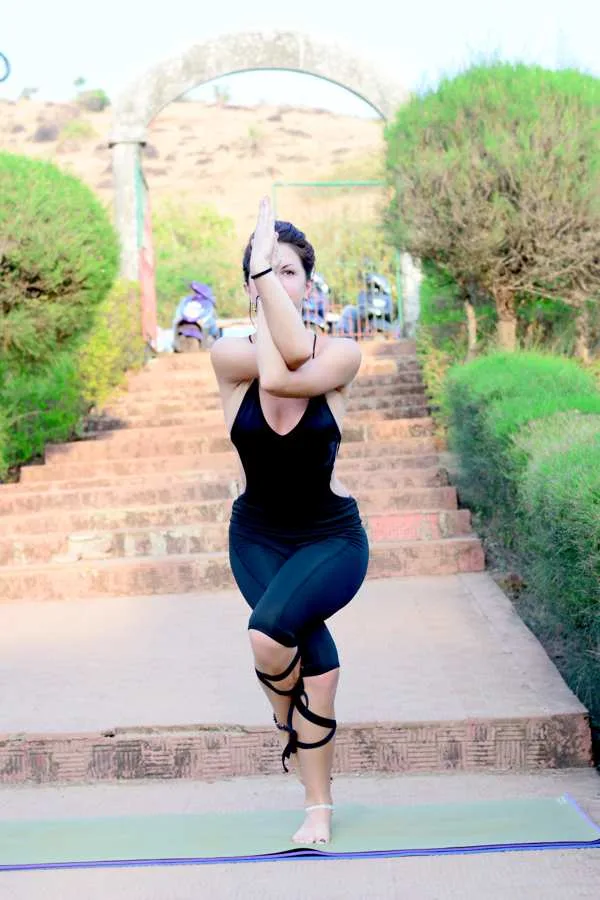
The teaching at Advait Yoga Meditation is experience-based. Instructors share what they have practiced, not what they have read. The tone is calm. There is no performance. No guru dynamics. No one is asking you to believe anything you have not felt for yourself.
The approach is rooted in lineage but not rigid. Traditional methods are taught with respect for their origins, but also with recognition that not every body is the same. Adaptation is allowed. Blind repetition is not encouraged.
Presence matters more than charisma. The teachers here are not trying to inspire you with their energy. They are trying to create space where you can observe your own. Silence is respected. Not everything needs to be explained.
There is no personality-driven spirituality. The practices are the focus. The rest is secondary.
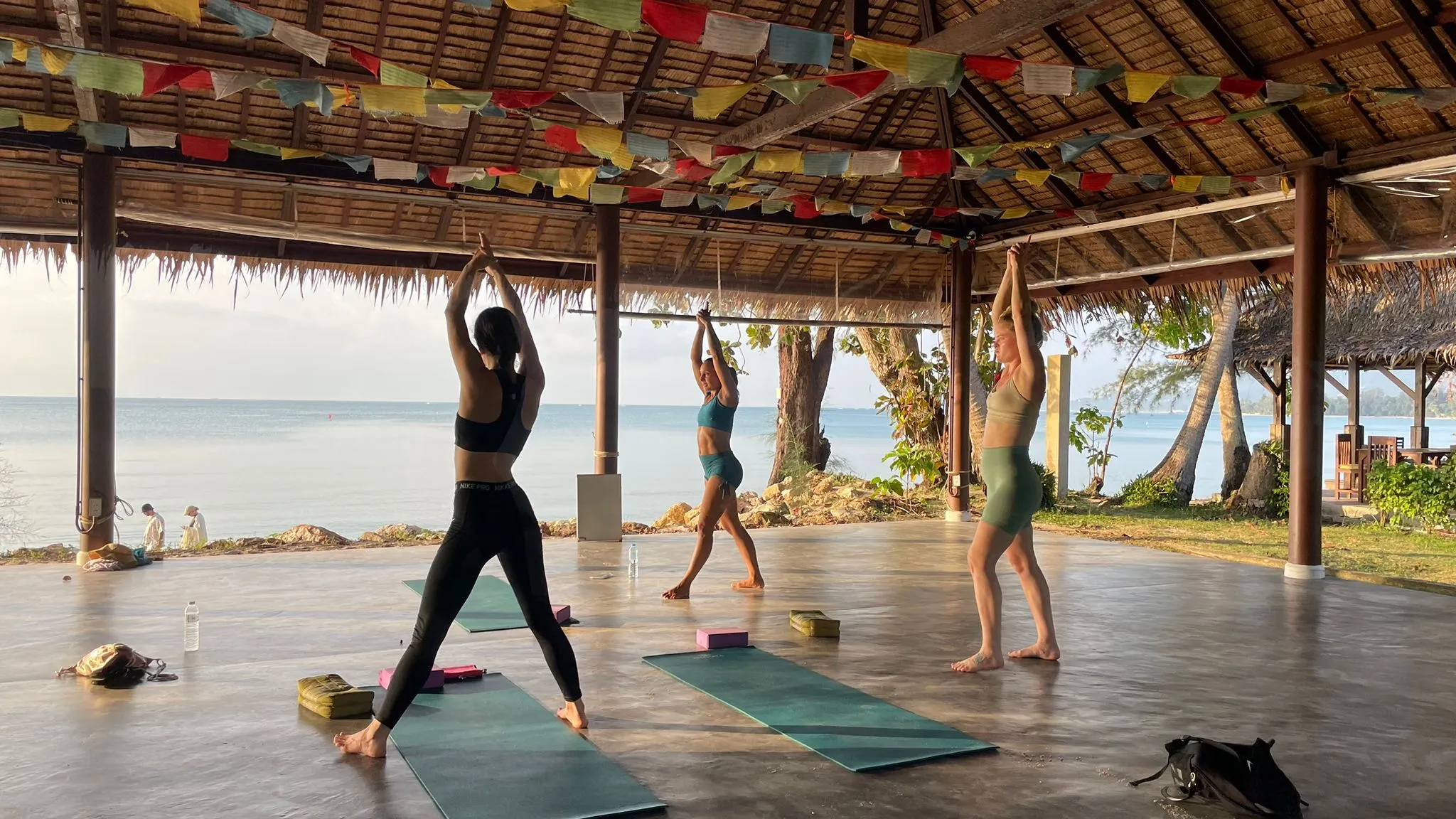
Accommodation — Blue Whale Resort
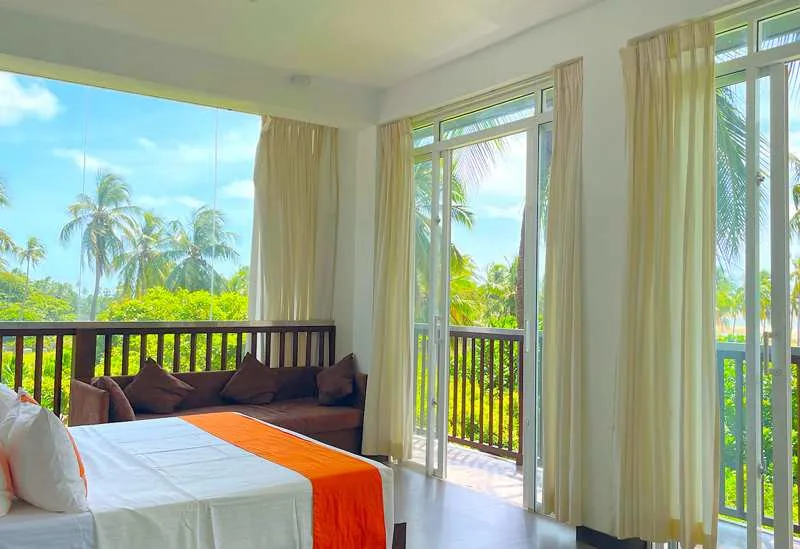
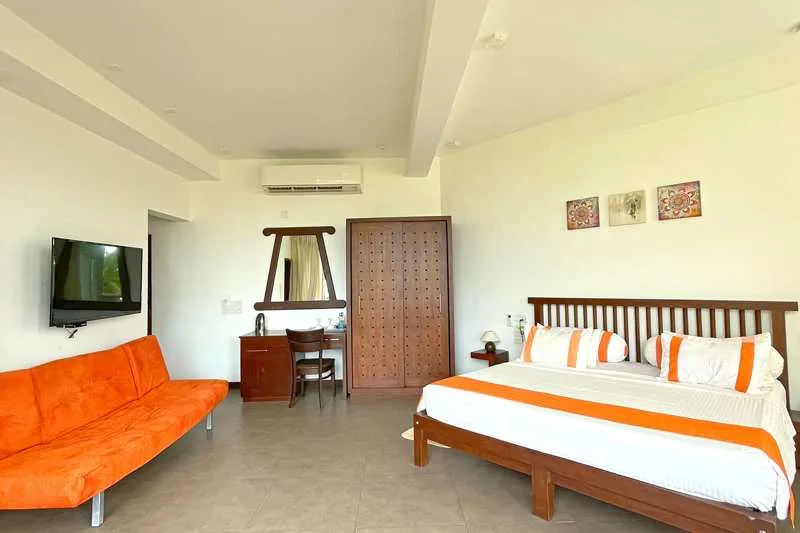
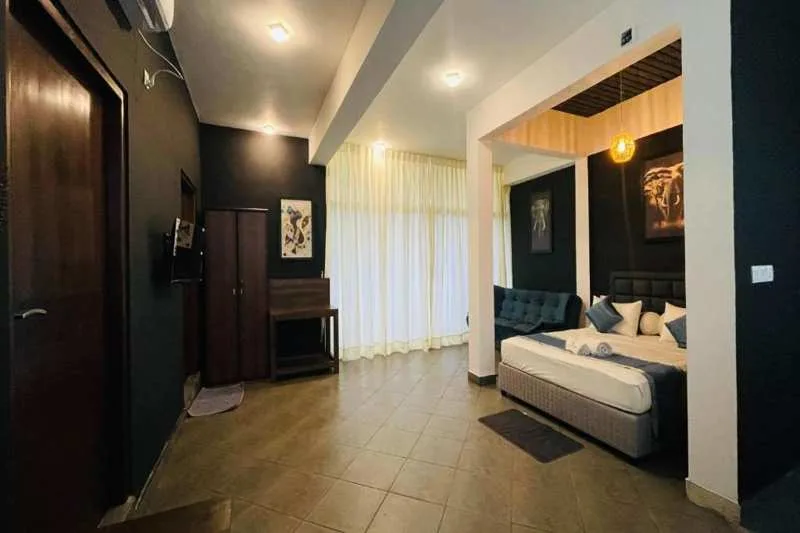
Room Features:
-
Air-conditioned comfort
-
Stunning lagoon or sea views
-
Private modern bathroom
-
Located steps away from the beach 🏝️
-
Resort amenities (pool, lounge, hammocks)
Meals — Healthy & Nourishing
-
3 yogic vegetarian meals prepared daily
-
Fresh fruits, local produce, herbal teas
-
Vegan, gluten-free requests welcomed
Balanced nutrition → deeper practice + better energy ✨

Dates and Fees
Dates coming soon, for enquiry reach us at infoadvaityoga@gmail.com
Included:
- 14 days of instruction
- Accommodation
- Three vegetarian meals daily
- Course materials
- Certification upon completion
Not Included:
- Travel to and from Kalpitiya
- Personal expenses
- Travel insurance
- Airport transfers (these can be arranged separately)
Refund Policy
Deposits are non-refundable. If you need to cancel more than 30 days before the start date, you may receive a partial refund minus the deposit. Cancellations within 30 days are not refunded.
If the training is canceled by the school, you will receive a full refund or the option to transfer to another date.
This policy exists because small group trainings rely on confirmed participants. Late cancellations affect the entire group.
Code of Conduct
Respect other participants. This means keeping noise to a minimum during quiet hours, not interrupting others during practice, and honoring shared space.
Take responsibility for your own experience. If something does not feel right in your body, back off. If you need support, ask for it.
Understand boundaries. Not everyone wants to share their process. Not everyone wants advice. Listen more than you speak.
Silence is required during certain times of day. This is not punitive. It is practical. Inner work requires less talking.
Location — Kandakuliya, Kalpitiya
Kalpitiya is known for:
-
Clear blue ocean & endless sandy beaches
-
Dolphin watching & water adventure spots
-
Calm, quiet surroundings for spiritual learning
Nearest airports:
-
Bandaranaike International Airport (Colombo)
-
Private transfer available
A place where yoga meets oceanic bliss 🌅
FAQ
Do I need prior experience in yoga or meditation?
You do not need to be an advanced practitioner, but some familiarity with breathwork or meditation is helpful. If you have never practiced before, this training may feel intense. It is not designed as an introduction.
Is certification provided?
Yes. Upon completion, you receive a certificate for 100 hours of training in breathwork, pranayama, and meditation. This certificate is recognized by most yoga schools and can be applied toward continuing education credits.
Can I teach breathwork after completing this course?
You will have the knowledge and certification to teach. Whether you are ready depends on your own practice and confidence. The training prepares you. It does not guarantee readiness. That comes with more practice and experience.
Is silence mandatory during the training?
Silence is required during certain periods—usually mornings before breakfast and evenings after meditation. Outside of those times, you can speak. The silence is not strict. It is meant to support focus, not enforce rigidity.
Is this training physically demanding?
Not in the way a yoga asana training might be. You will be sitting for extended periods. You will be breathing in ways that might feel unfamiliar. Some pranayama techniques are activating. Others are calming. The challenge is more mental and nervous system-related than muscular.
What if I have a medical condition?
If you have respiratory issues, cardiovascular conditions, or a history of anxiety or panic disorders, inform the instructors before the training begins. Some practices may need to be modified or avoided. This is not a medical program. If you are unsure whether the training is appropriate for you, consult your doctor first.
Can I leave the property during the training?
Yes. There are breaks and free time. You can walk on the beach, visit the town, or rest in your room. You are not confined. The training simply asks that you show up for scheduled sessions.
What should I bring?
Comfortable clothing for sitting and moving. A notebook if you want to take notes. Any personal items you need. The climate is warm, so light layers are sufficient. You do not need a yoga mat unless you prefer your own.
Is the training suitable for trauma survivors?
Breathwork can bring up difficult emotions and sensations, especially for people with trauma histories. The teaching here is trauma-aware, but this is not trauma therapy. If you have unresolved trauma, consider whether you have enough support in place before enrolling. It is okay to say no if the timing does not feel right.