Introduction
Breath practice requires time. Not because it's complicated, but because the body needs repetition to remember what the mind has learned. Meditation doesn't happen in a weekend workshop. It builds through daily return, through sitting when nothing seems to be happening, through observing the same patterns until they begin to shift on their own.
This 100 Hour Breathwork Pranayama Meditation Teacher Training in Thailand spans 14 days because that's how long it takes to move from concept to embodiment. The first few days, you're thinking about the technique. By day seven, something settles. By day twelve, you're teaching from a different place—not from notes, but from what your own nervous system has started to understand.
Thailand provides the conditions for this kind of work. The warmth means breath moves more easily through the body. The distance from your usual environment creates space between who you think you are and what's actually present when you sit still. The rhythm here is slower. Meals come at the same time. Mornings feel similar. That predictability allows the practice to deepen without distraction.
This training is held at Advait Yoga Meditation, where breath and meditation are taught without performance or spiritual marketing. What's offered here is rooted in classical pranayama, nervous system awareness, and the simple discipline of showing up to practice each day.
Who This Training Is For
This training is for yoga teachers who realize they don't fully understand pranayama beyond a few breathing exercises taught at the beginning of class. It's for those who sense there's more to breath practice than what fits into a 90-minute session, and who want to learn how to teach it responsibly.
It's also for therapists, counselors, and bodyworkers who are beginning to see how much the breath holds, and who want practical tools that support regulation without overstepping their scope. For facilitators already working with groups and wanting a grounded framework for introducing breath awareness into their sessions.
Serious practitioners come to this training too—people who have maintained a personal practice for years and are ready to understand it more deeply, not to teach necessarily, but to know what they're actually doing when they sit down to breathe.
This is not for those looking for weekend certification or quick techniques to add to a resume. It's for people who are willing to sit with silence, repetition, and the slow build of understanding. It's for those drawn to discipline rather than novelty, and to stillness rather than constant stimulation.
If you're someone who trusts observation more than instruction, and values embodiment over theory, this training will meet you where you are.
Why a 100 Hour Breathwork, Pranayama & Meditation Teacher Training in Thailand
A hundred hours is intentional. It's not arbitrary. Breathwork isn't something you learn in a day and teach the next. When done improperly, it can dysregulate the nervous system, trigger unprocessed emotions, or create states the teacher isn't equipped to hold space for. This 100 Hour Breathwork Pranayama Meditation Teacher Training in Thailand gives you time to experience these practices in your own body first, to notice what happens when you push too hard or breathe too fast, to feel the difference between activation and regulation.
The distinction between knowing a technique and embodying it is everything. You can memorize the steps of nadi shodhana in an afternoon. But understanding when to teach it, how long to hold the retention, when someone's system isn't ready for it—that comes from repetition and careful observation. It comes from sitting with your own breath for days until the pattern becomes familiar, until you can sense when something is balanced and when it's forced.
Many breathwork trainings focus on activation—on big releases, emotional catharsis, intense breathing patterns that generate heat and energy. That has its place, but it's only one part of the picture. What often gets left out is how to bring someone down, how to return the nervous system to baseline, how to teach breath awareness without creating dependency on heightened states.
This training prioritizes both. You learn traditional pranayama practices that have been refined over centuries, and you learn how they interact with the nervous system as we understand it now. You learn when to activate and when to settle. You learn to recognize the signs that someone is holding their breath out of fear rather than control, that they're forcing a practice that doesn't serve them in that moment.
The retreat-style immersion in Thailand allows integration to happen at a different pace. When you're practicing twice a day, studying in the afternoon, and sleeping in the same place you're training, the teachings don't stop when the session ends. You notice how your digestion changes. How your sleep shifts. How certain practices leave you energized and others leave you irritable or withdrawn. These observations become part of your teaching capacity. You learn to recognize patterns in others because you've tracked them carefully in yourself.
Fourteen days gives you enough time to move through the initial excitement, through the midpoint where it gets harder, and into the phase where the practice starts to hold you instead of you holding the practice. That shift is what makes a teacher. Not the certificate, but the embodied understanding that comes from sustained attention.
Why Thailand
Thailand's climate supports this kind of work in practical ways. The body doesn't spend energy trying to stay warm. Breath flows more easily when muscles aren't constricted against cold. You can practice outside without layering clothing or worrying about weather. The warmth itself becomes part of the container—steady, predictable, supportive.
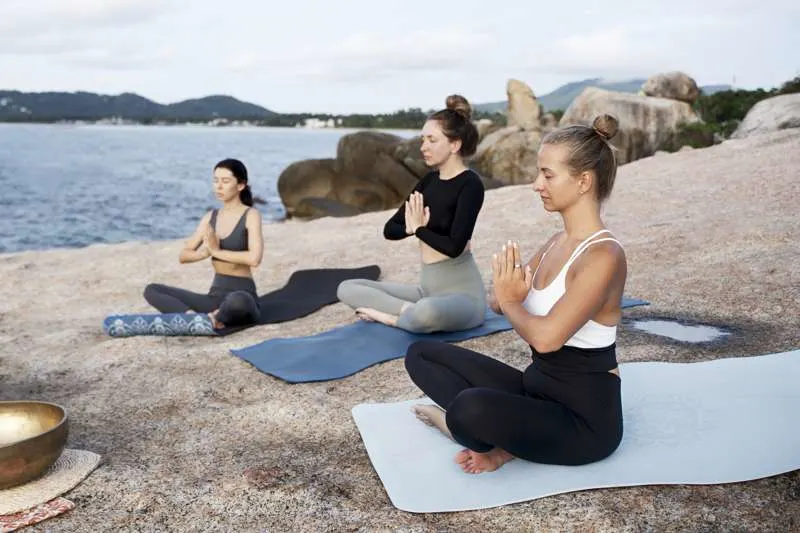
The training is held in a coastal area where natural surroundings replace the usual noise. You wake to quiet mornings. The ocean is close enough that you can hear it during evening meditation. Meals are simple and prepared on-site. There's very little to do outside of the practice schedule, which is exactly the point. Without the usual options for distraction, attention turns inward more naturally.
This isn't about tropical scenery or vacation atmosphere. It's about finding a place where the external environment supports internal work. Where the rhythm is slower by default. Where you're far enough from your daily routines that old patterns loosen, and there's space to try something different without the pull of familiar obligations.
The setting is intentionally simple. Clean rooms, basic amenities, nothing designed to impress. What's here is what you need—space to sleep, space to practice, and enough separation from your regular life that you can focus completely on learning.

What You Will Learn
Foundations of Breath Awareness
Before learning any formal technique, you learn to observe the natural breath without changing it. This sounds simple but proves difficult. Most people realize they've been unconsciously controlling their breathing for years. You practice watching the inhale arrive and the exhale leave without directing either. You notice where the breath moves easily and where it catches. You track the pause between breaths, the texture of each inhale, the quality of rest that comes in the exhale. This foundational awareness underlies everything else.
Classical Pranayama Practices
The training covers traditional techniques from the hatha yoga lineage. Nadi shodhana, ujjayi, bhramari, kapalabhati, bhastrika, sitali, sitkari. Not just how to perform them, but why each one exists, what effect it's designed to produce, and when it's appropriate to use. You learn the classical ratios, the role of retention, and how to modify practices for different constitutions and needs.
Anatomy of Breathing
You need to understand what's actually happening in the body when someone breathes. The mechanics of the diaphragm, the role of the intercostal muscles, how the psoas connects to breath and the nervous system. You learn to identify chest breathing versus diaphragmatic breathing, to recognize patterns of breath holding, and to see how postural habits restrict respiratory capacity. This isn't theoretical anatomy—it's practical observation that helps you guide students more effectively.
Nervous System & Regulation
Modern understanding of the autonomic nervous system deepens classical pranayama teaching. You learn how different breathing patterns affect sympathetic and parasympathetic states, how breath can support regulation or dysregulation, and how to recognize when someone is in a window of tolerance versus pushed beyond it. The concept of conscious breathing as a bridge between voluntary and involuntary processes. How to work with trauma-sensitive approaches without overstepping clinical boundaries.
Subtle Body & Energetic Awareness
The training introduces the concept of prana—not as abstract energy, but as something you can begin to sense through sustained practice. The five vayus and their directional movements. The koshas as layers of experience rather than metaphysical concepts. The nadis and chakras as maps that sometimes correspond to felt experience. This section is taught with appropriate skepticism and encouragement to notice what's actually present rather than what you think should be there.
Silent & Guided Meditation
You practice both styles daily. Silent sitting with no instruction beyond posture and breath. Guided meditation that uses minimal language to direct attention. Body scanning, breath counting, open awareness, mantra repetition. You learn the difference between concentration practices and receptive practices, between doing meditation and allowing it. Teaching methodology includes how to hold silence in a group, how to gauge appropriate session length, and how to guide without over-talking.
Teaching Methodology for Breathwork
How to structure a session. How to introduce a new technique. How to demonstrate and then step back. The art of giving adjustments without creating dependency. How to pace a class so there's time for integration. How to respond when someone has a strong emotional response during practice. How to know when someone needs individual attention and when the group practice is enough. Language that invites rather than instructs. The balance between holding space and taking up space.
Safety & Contraindications
Breathwork can trigger panic attacks, dissociation, hyperventilation, and retraumatization if taught irresponsibly. You learn to recognize these responses and how to bring someone back to baseline. Contraindications for breath retention in pregnancy, hypertension, heart conditions. When to slow down a practice, when to stop completely. How to create informed consent before introducing intense practices. The ethics of not promising outcomes you can't guarantee.
Structuring Breath & Meditation Sessions
How to design a coherent session that has a beginning, middle, and end. How to sequence practices that build on each other rather than jumping between styles. How to balance active and passive techniques. How to determine appropriate session length for different populations—beginners versus experienced practitioners, workplace settings versus dedicated groups. How to integrate breathwork into existing yoga classes versus teaching it as a standalone discipline.
Daily Schedule
Mornings begin early. First practice starts around 6:00 or 6:30, while it's still quiet and cool. This session focuses on pranayama and breath awareness, usually 90 minutes. Breakfast follows, then free time until late morning.
Midday sessions cover theory and anatomy. You're learning why practices work the way they do, reviewing contraindications, studying texts, or discussing teaching methodology. This runs about two hours with a break in the middle.
Lunch is the main meal. Afternoon is open for rest, personal practice, study, or simply sitting with what's been covered. The heat makes this downtime necessary, not indulgent.
Late afternoon brings a workshop or practice teaching session. You work in small groups, try out what you've learned, receive feedback, refine your approach. This is where embodiment starts to turn into teaching capacity.
Evening meditation happens around sunset. Usually silent, sometimes guided. This is typically shorter, 45 minutes to an hour, allowing the day to settle.
Dinner is light. The rest of the evening is yours. Some people continue studying. Some go to bed early. There's no entertainment scheduled, no structured activities. The space is there for whatever integration needs to happen.
This rhythm repeats for 14 days. The predictability is part of the training. Your system learns to expect practice at certain times. The nervous system starts to settle into the routine. What feels difficult on day three becomes familiar by day ten.
Teaching Approach at Advait Yoga Meditation
The teaching here doesn't come from someone who did a training once and now teaches what they were taught. It comes from sustained personal practice, from years of sitting with these techniques, from watching what works and what doesn't across hundreds of students.
The lineage is honored but not worshipped. Classical teachings are respected as templates refined over centuries, but they're also adapted when contemporary understanding offers clarity. There's no pretense that ancient always means better, or that modern science has all the answers. Both inform the teaching.
Presence matters more than performance. Teachers here don't demonstrate perfection or perform enlightenment. They show up to practice alongside students, make adjustments when needed, and admit when they don't know something. The authority comes from lived experience, not from playing a role.
Silence is part of the pedagogy. Not every question gets answered immediately. Not every moment gets filled with instruction. There's space to notice, to feel, to question without someone rushing in to explain. This can be uncomfortable at first, but it teaches students to trust their own observations.
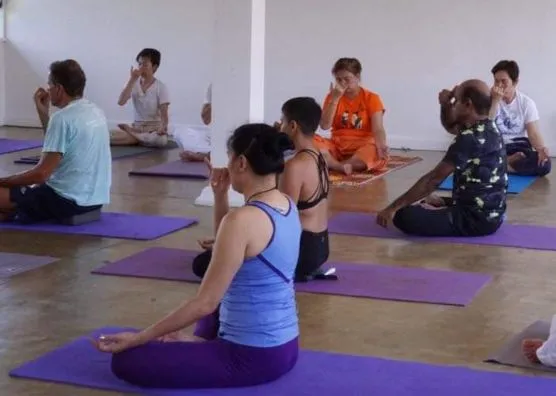
The groups are kept small intentionally. Twelve to sixteen people maximum. This allows for individual attention without the training becoming one-on-one instruction. You learn in community but receive personalized feedback. Teachers notice when someone's struggling with a technique, when someone's ready for a more advanced variation, when someone needs to back off.
Accommodation
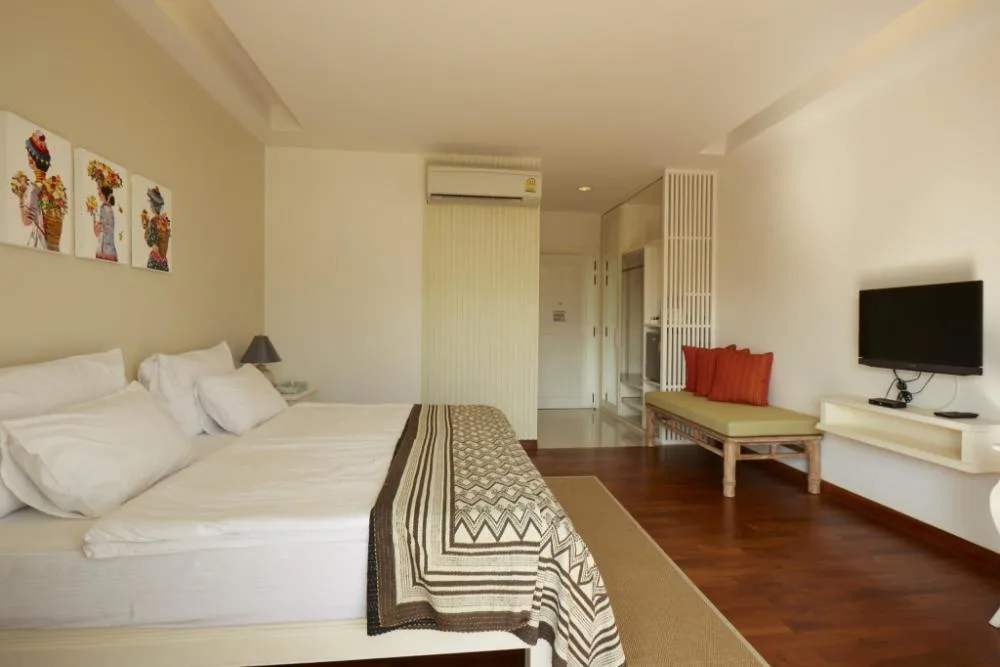

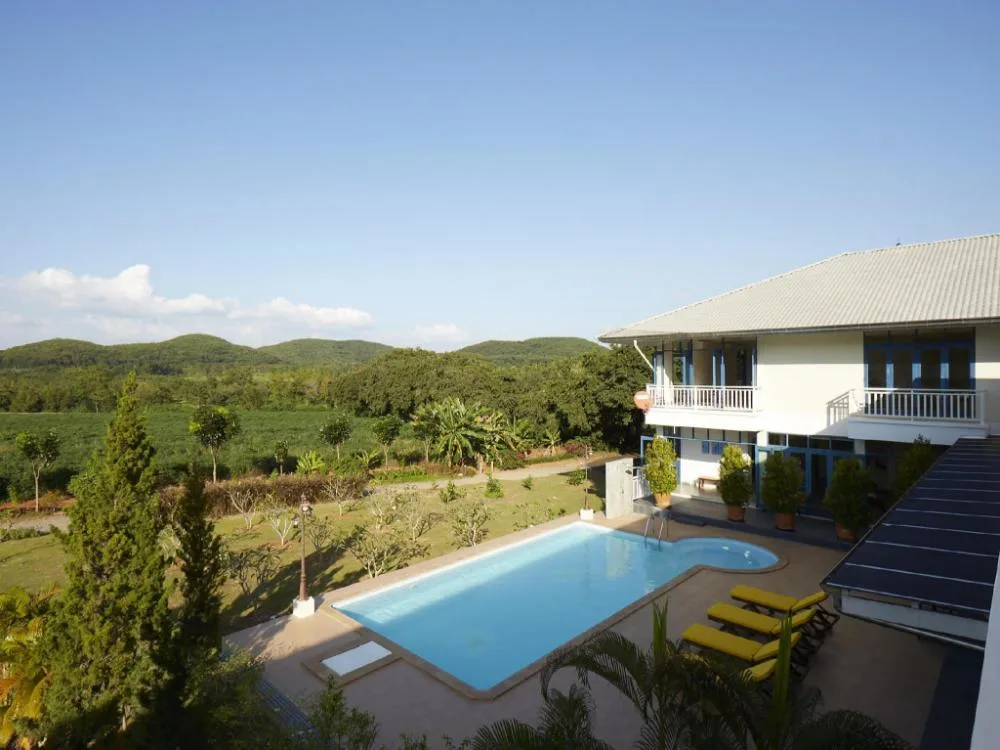
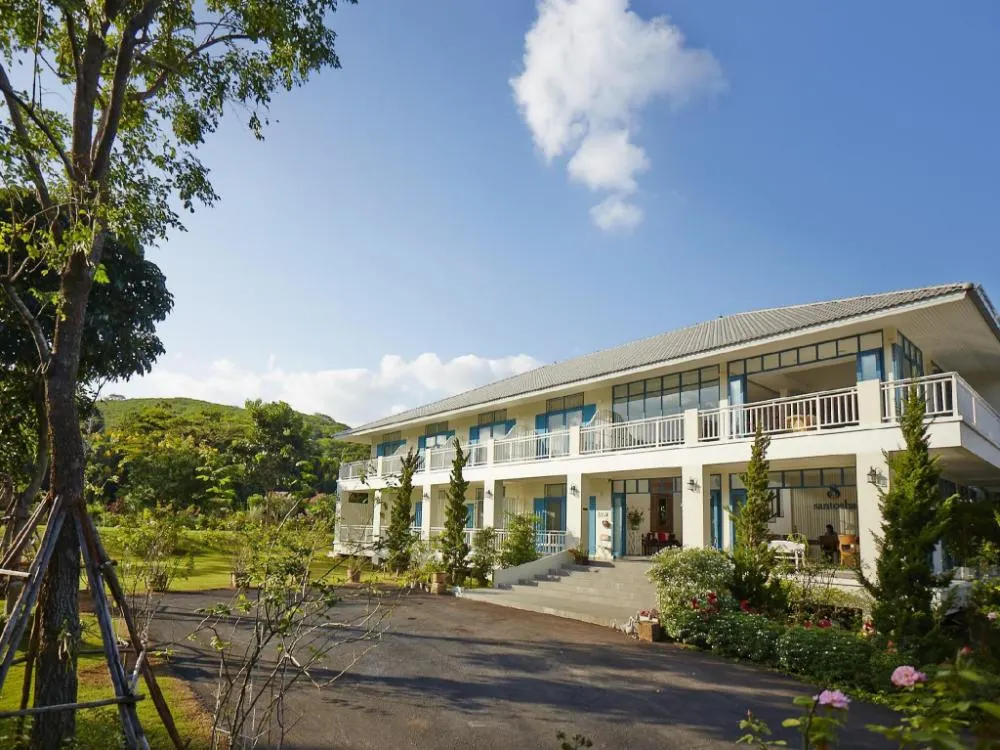
Accommodation is residential and included in the course fee. Rooms are clean, simple, and comfortable. Most participants stay in shared rooms, though private options may be available depending on availability.
The accommodation is within walking distance of the practice hall. This makes it easy to move between sessions without needing transportation.
The setting is quiet. Rooms are basic but functional, with air conditioning, clean bedding, and access to shared bathrooms or private facilities depending on the room type.
Upcoming Dates
Dates are coming soon. For enquiry reach us at infoadvaityoga@gmail.com
Included:
- 100 hours of instruction
- Accommodation for 14 nights
- Three meals daily
- Training materials and manual
- Certification upon completion
Not Included:
- Travel to and from Thailand
- Airport transfers
- Personal expenses
- Travel insurance
- Visa fees if applicable
- Additional healing services or spa treatments
Refund Policy
Full refund if cancellation occurs more than 60 days before the training start date, minus a 10% administrative fee.
50% refund for cancellations made 30–60 days before start date.
No refund for cancellations made less than 30 days before start date.
If Advait Yoga Meditation cancels the training for any reason, full refund is provided.
In case of emergency or medical necessity, partial refunds may be considered on a case-by-case basis with documentation.
Practical Information
Nearest Airport: Suvarnabhumi Airport (BKK) in Bangkok or Phuket International Airport (HKT), depending on the specific training location. Exact location details are provided upon registration.
Arrival: You should plan to arrive one day before the training begins. The training starts at 6:00 AM on day one, so arriving the evening before allows time to settle in. Departure is possible on the final day after the closing session, which typically ends by 4:00 PM.
Transport: Details on bus, ferry, or shared van options from the airport to the training center are sent after registration. Shared transport can sometimes be arranged with other participants arriving the same day.
Meals: Three vegetarian meals daily. If you have allergies or specific dietary needs, notify the center at least two weeks in advance.
Language: All instruction is in English.
Group Size: Maximum 16 participants, minimum 8 to run the training.
What to Bring: Comfortable clothing for practice, notebook, any personal meditation cushions or props you prefer, basic toiletries, sunscreen, insect repellent, flashlight or headlamp, reusable water bottle.
Daily Expectations: Attendance at all scheduled sessions is required for certification. You're expected to participate fully, maintain practice commitments, and respect the group container. Personal time is available each afternoon and evening.
Code of Conduct
All participants agree to respect the shared space and the integrity of the group container. This includes arriving on time to sessions, maintaining silence during designated quiet hours, and engaging with practices even when they're challenging or unfamiliar.
Discipline here doesn't mean rigidity—it means showing up consistently and doing what you said you'd do. If you're struggling with a practice or need to modify something, communicate that rather than disappearing or disengaging.
Self-awareness is expected. If you're having a difficult time, if something is triggering, if you need support, you're responsible for speaking up. Teachers will respond, but they won't guess what you're not saying.
Boundaries matter. Romantic or sexual relationships between participants create complications in a training environment and are discouraged. Respectful, appropriate interaction is the baseline.
Substances that alter consciousness, including alcohol and recreational drugs, are not permitted during the training period. This is non-negotiable. The practices themselves are powerful. Adding other substances creates unnecessary risk.
Confidentiality regarding what's shared in group discussions is expected. What's said in the training stays in the training unless explicit permission is given.
Location & How to Get There
Advait Yoga Meditation is located on the quieter side of Koh Samui, away from the main tourist areas. The exact location details will be provided upon registration.
How to Get to Koh Samui
By air: Fly into Koh Samui International Airport (USM). From there, arrange a taxi or private transfer to the course location. Travel time is approximately 20 to 30 minutes depending on traffic.
By ferry: If you arrive via Surat Thani Airport or prefer a more budget-friendly option, take a bus or taxi to the ferry terminal and board a ferry to Koh Samui. Ferries run regularly throughout the day. From the pier, arrange onward transport to the school.
Airport Transfer Information
Airport transfers can be arranged in advance for an additional fee. Contact the school at least one week before your arrival to coordinate pickup. Shared transfers may be available if multiple participants are arriving on the same day.
FAQ
Do I need prior experience in breathwork or meditation to join this training?
Some experience is helpful but not required. What matters more is that you have a personal practice of some kind—whether that's yoga, meditation, or simply sitting quietly with regularity. If you've never practiced breath awareness or meditation before, this training will be demanding. It's not an introduction; it's an immersion. If you're uncertain whether you're ready, contact the school to discuss your background.
Is certification provided at the end of the training?
Yes. Upon completion of the full 14 days and all required sessions, you receive a certificate for 100 hours of training in breathwork, pranayama, and meditation. This certificate confirms your attendance and participation. Whether you're ready to teach is something you'll need to assess honestly for yourself. The certificate documents the training, not your competence.
Can I teach breathwork after completing this training?
The training provides tools, understanding, and a framework. Whether you're ready to teach depends on how well you've integrated the material and how much personal practice you maintain afterward. Some people complete the training and teach immediately. Others continue practicing for months or years before feeling ready to guide others. The certificate gives you credibility, but your embodiment determines your effectiveness.
Is this training physically demanding?
The practices themselves aren't strenuous in the way asana can be, but sitting for extended periods requires endurance. The schedule is full. You're expected to be present for early morning practice, midday sessions, afternoon workshops, and evening meditation. Rest time is built in, but the days are structured. If you have physical limitations that make sitting difficult, bring whatever props you need to be comfortable.
Is silence required during the training?
Partial silence. Mornings before first practice are silent. The period between evening meditation and breakfast the next day is silent. During practice sessions, you speak only when necessary. The rest of the time—meals, breaks, afternoon free time—conversation is allowed. The silence isn't punitive; it's meant to support inward attention and reduce the constant stimulus of social interaction.
What if I have a strong emotional response during breathwork?
This can happen. Breath practices sometimes bring up stored emotion or unprocessed experience. Teachers are trained to hold space for this and to help you return to regulation. If you have a history of trauma or significant mental health concerns, it's important to disclose that before the training begins. Breathwork is powerful, and while it can be therapeutic, the training environment isn't therapy. If you're currently in crisis or acute distress, this may not be the right time to undertake intensive breathwork training.
Will I be able to integrate this training with my existing teaching or professional work?
Most likely, yes. The skills you learn—breath awareness, nervous system regulation, meditation guidance—translate across many contexts. Yoga teachers integrate pranayama more deeply into their classes. Therapists use breath techniques to support clients in managing anxiety or stress. Bodyworkers incorporate breathwork into sessions. The application is flexible, but the foundation is the same: understanding breath as a tool for regulation, awareness, and presence.