100 Hour Yoga Teacher Training in Ubud, Bali
This is a 100-hour yoga teacher training held in Ubud, a quiet town in central Bali known for its forests, rice fields, and long connection to yoga practice.
The training runs over 12 days. It covers asana, pranayama, meditation, basic philosophy, and teaching methods. It's designed for people who want to deepen their practice or begin teaching without committing to a full 200-hour course right away.
This is not an intensive. The pace allows time to absorb what you're learning. You'll practice daily, study in small groups, and have space to rest.
Who This Is For
This training suits a few types of people.
You might be practicing yoga regularly and want to understand it more fully. You're not necessarily planning to teach, but you'd like to go beyond what a drop-in class offers.
Or you're considering becoming a teacher but aren't sure yet. A 100-hour training lets you explore that path without the commitment of a longer program.
Some participants are therapists, bodyworkers, or counselors who want to bring yoga into their work. Others are already teaching movement or wellness and want formal yoga training to support what they do.
A few come because they need structure. They've been practicing on their own or online and want guidance, feedback, and time to focus.
This isn't a retreat. It's a training. The intention is learning, not relaxation.
Why a 100 Hour Training
A 100-hour course is shorter than the standard 200-hour teacher training, but it's not half of one. It has its own shape and purpose.
The main difference is focus. Instead of covering everything at once, a 100-hour training emphasizes foundations. You spend more time with breath, alignment, basic philosophy, and the mechanics of teaching. There's less content to rush through, so you can practice things repeatedly.
For people new to teaching, this is useful. You're not trying to memorize a full curriculum while also learning how to stand in front of a group. You're building one layer at a time.
For practitioners, it offers depth without overwhelm. You're not being trained to teach every style or handle every situation. You're learning the bones of the practice in a way that stays with you.
If you later decide to complete a 200-hour certification, most 100-hour programs can count toward that. Ours does. But this training also stands alone. You don't have to continue if you don't want to.
Some people prefer shorter trainings because they fit into their lives more easily. Twelve days is manageable. It doesn't require months away from work or family. You can come, learn, and return home with something solid.
Why Ubud

Ubud is one of the quieter places in Bali. It's inland, surrounded by rice terraces and forest. The rhythm here is slower than the coastal towns.
There are yoga studios, meditation centers, and schools that have been here for years. People come to study and practice, not just visit. That gives the town a different feeling. It's not loud or rushed.
The weather is warm and humid, with rain in the afternoons during certain months. You're close to nature without being isolated. There are small cafes, markets, and temples within walking distance.
For learning, this kind of environment helps. You're not distracted by beaches or nightlife. You're here to focus. The town supports that without making it feel austere.
Ubud also has a culture that respects quietness. Balinese Hinduism is part of daily life here. You'll see offerings on the street, ceremonies at temples, and a general attentiveness to ritual. This doesn't mean you're immersed in Balinese culture during the training, but the backdrop matters. It reminds you that yoga comes from a lived tradition, not a fitness trend.
You don't need to romanticize Bali to appreciate that studying here is different from studying in a city studio. The air is different. The pace is different. That affects how you learn.
What You Will Learn
Asana Practice and Alignment
You'll practice asana every day. The focus is on understanding how poses work, not on doing advanced variations.
We teach alignment as a tool for awareness, not as a strict set of rules. You'll learn how to feel your body in a pose, where you tend to collapse or overwork, and how to make adjustments based on what you notice.
Most of the poses are foundational. Standing poses, seated forward bends, twists, backbends, and inversions when appropriate. You'll practice them enough times that they become familiar, and you'll start to see patterns in your own body.
If you're planning to teach, we also cover how to instruct these poses clearly. How to cue without over-talking. How to watch a student and offer adjustments that help rather than confuse.
Pranayama and Breath Awareness
Breath is central to yoga, but it's often taught quickly or skipped entirely in regular classes.
Here, you'll spend time with it. We start with simple breath observation, then move into basic pranayama techniques. Ujjayi, nadi shodhana, and a few others. You'll learn how breath affects your nervous system, your mind, and your energy.
We don't teach complex retention practices or advanced techniques in a 100-hour course. That takes more time and personal guidance. But you'll leave with a solid understanding of breath as a practice, not just something that happens in the background.
Meditation Practices
Meditation is part of the daily schedule. We practice sitting meditation most mornings and sometimes in the evening.
The approach is simple. We teach a few techniques—breath-focused meditation, body scanning, and mantra—and you practice them regularly. The goal isn't to empty your mind or reach a special state. It's to sit, notice what happens, and keep sitting.
For many people, this is harder than asana. That's normal. We give you enough structure to stay with it without forcing anything.
Basic Yoga Philosophy
We cover the foundational texts and ideas without going too deep.
You'll learn about the eight limbs of yoga from Patanjali's Yoga Sutras, the concept of the gunas, and the basic framework of yogic ethics. We talk about the yamas and niyamas as practical guidelines, not moral rules.
Philosophy is taught in short sessions, usually after morning practice or in the late afternoon. It's meant to give context to what you're doing on the mat, not to turn you into a scholar.
We keep it accessible. If you've never read a yoga text before, you won't feel lost. If you have, we'll go deeper in discussion.
Teaching Foundations
If you're interested in teaching, we cover the basics.
How to plan a simple class. How to sequence poses safely. How to give clear instructions and when to stay quiet. How to watch a room and adjust your plan based on what you see.
You'll practice teaching in small groups. This isn't a performance. It's a chance to try things out, make mistakes, and get feedback.
If you're not planning to teach, you can still participate in these sessions. Understanding how a class is structured helps you understand your own practice better.
Self-Practice and Integration
The last part of the training is about making yoga sustainable in your life.
We talk about how to practice on your own without a teacher. How to choose what you need on a given day. How to adjust your practice as you age or as your circumstances change.
This is less formal than the other parts of the curriculum, but it's important. Yoga only works if you keep doing it. A training should give you tools to continue, not just a certificate.
Daily Schedule
The schedule follows a rhythm that balances practice, study, and rest.
Mornings begin with meditation and pranayama, usually around 7:00 or 7:30. After that, asana practice for about two hours. This is the main physical practice of the day.
Breakfast follows, then free time. You can rest, walk, study, or do nothing. The mornings are full, so the break matters.
Afternoons include philosophy, anatomy, or teaching methodology. These sessions are shorter, usually 90 minutes. They're discussion-based, not lectures.
Late afternoon is open again. Some days there's an optional practice or a walk. Other days, nothing is scheduled.
Evenings might include a second asana practice, meditation, or a study session. Not every day is the same. We adjust based on the group's energy and what's needed.
You'll have time to yourself. This isn't a retreat where every hour is filled. You need space to process what you're learning.
Who This Training Is For
This training works well for people who are ready to focus but don't want to be pushed beyond their capacity.
If you've been practicing yoga for at least a year, you'll have enough foundation to follow along. You don't need to be advanced. You just need to be familiar with basic poses and comfortable practicing for a couple of hours at a time.
If you're thinking about teaching, this is a good starting point. You'll get a sense of what teaching involves without committing to a full 200-hour program right away. Some participants finish this training and sign up for more. Others realize teaching isn't for them, and that's fine too.
If you work in a related field—massage, physical therapy, counseling, bodywork—this training can deepen your understanding of movement, breath, and mindfulness in ways that support your existing work.
If you're just looking for a yoga retreat, this probably isn't the right fit. The days are structured around learning, not leisure. You'll have free time, but the overall pace is steady.
Teaching Approach at Advait Yoga Meditation
Advait Yoga Meditation has been running trainings in India and Bali for several years. The teachers come from traditional yoga backgrounds but teach in a way that's clear and practical.
We keep groups small. Twelve to sixteen people at most. This allows for individual attention without making the training feel too intimate or intense.
The teaching style is direct. We don't overload you with information or spiritual language. We explain things simply and give you time to practice them.
We also don't treat yoga as a performance. You're not here to impress anyone with your flexibility or your understanding of Sanskrit. You're here to learn. That requires honesty, not perfection.
The teachers are experienced, but they're not positioned as gurus. They've been practicing and teaching for a long time, and they know how to guide a group. But the relationship is practical, not hierarchical.
We also make space for questions. If something doesn't make sense, you can ask. If you disagree with something, you can say so. Yoga is a living practice, not a fixed doctrine.
Accommodation — Taman Harum Cottages
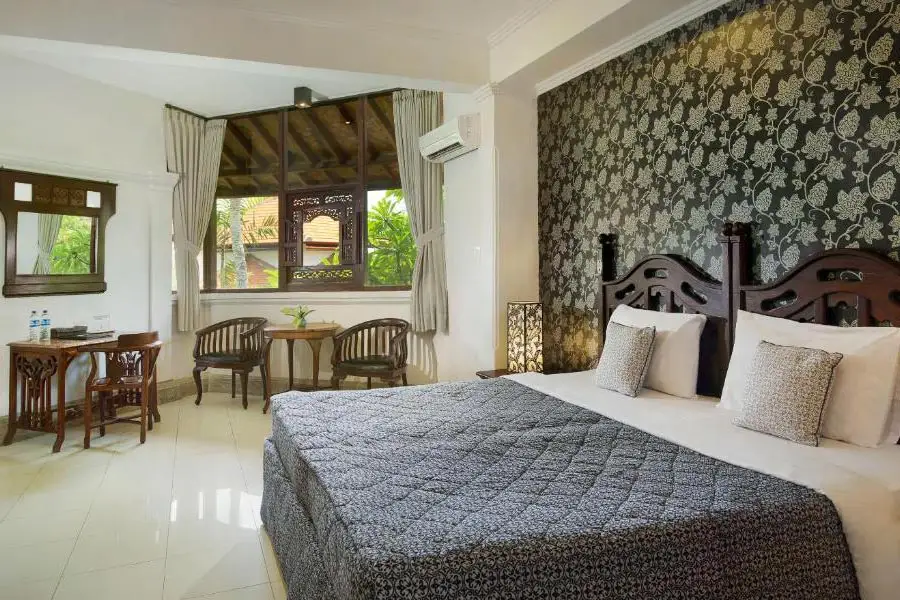
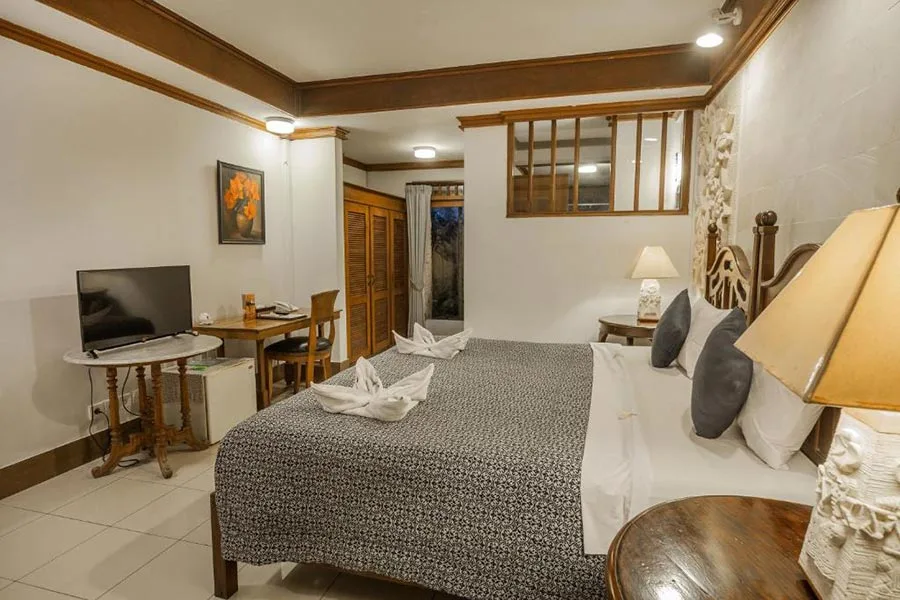
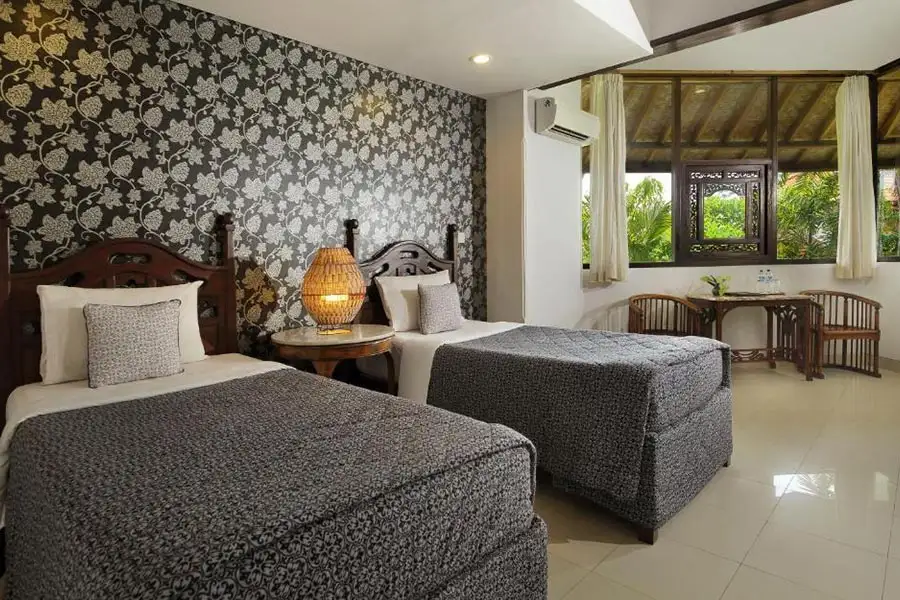
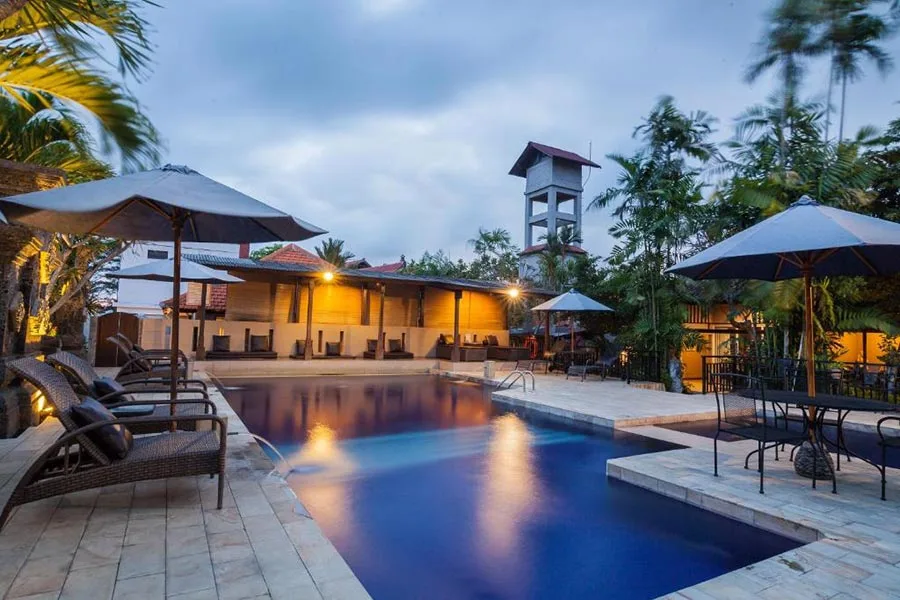
Room Features:
-
Air-conditioned comfort
-
Stunning lagoon or sea views
-
Private modern bathroom
-
Located steps away from the beach 🏝️
-
Resort amenities (pool, lounge, hammocks)
Meals — Healthy & Nourishing
-
3 yogic vegetarian meals prepared daily
-
Fresh fruits, local produce, herbal teas
-
Vegan, gluten-free requests welcomed
Balanced nutrition → deeper practice + better energy ✨

Upcoming Dates
| Course Date | Private Superior Single Room | Private Superior Couple Room | Superior Twin Share Room | Availability |
|---|---|---|---|---|
| 5 to 15 May 2026 | €1800 | €1400 | €1200 | Book Now |
| 16 - 26 May 2026 | €1800 | €1400 | €1200 | Book Now |
| 5 to 15 June 2026 | €1800 | €1400 | €1200 | Book Now |
| 16 - 26 June 2026 | €1800 | €1400 | €1200 | Book Now |
| 5 to 15 July 2026 | €1800 | €1400 | €1200 | Book Now |
| 16 - 26 July 2026 | €1800 | €1400 | €1200 | Book Now |
| 5 to 15 Aug2026 | €1800 | €1400 | €1200 | Book Now |
| 16 - 26 Aug 2026 | €1800 | €1400 | €1200 | Book Now |
| 5 to 15 Sept 2026 | €1800 | €1400 | €1200 | Book Now |
| 16 - 26 Sept 2026 | €1800 | €1400 | €1200 | Book Now |
| 5 to 15 Oct 2026 | €1800 | €1400 | €1200 | Book Now |
| 16 - 26 Oct 2026 | €1800 | €1400 | €1200 | Book Now |
| 5 to 15 Nov 2026 | €1800 | €1400 | €1200 | Book Now |
| 16 - 26 Nov 2026 | €1800 | €1400 | €1200 | Book Now |
| 5 to 15 Dec 2026 | €1800 | €1400 | €1200 | Book Now |
| 16 - 26 Dec 2026 | €1800 | €1400 | €1200 | Book Now |
This includes:
- All training sessions and materials
- Accommodation for 11 nights
- Breakfast Lunch and dinner daily
- Access to the practice space throughout your stay
- A course manual and certificate upon completion
Not included:
- Flights to and from Bali
- Visa fees
- Personal expenses or travel outside the training center
Practical Information
Arrival and Departure
You'll arrive the day before the training starts. We'll send you details on how to get to the center from the airport once you're registered.
Departure is the morning after the training ends. If you want to stay longer in Ubud or explore Bali, you'll need to arrange separate accommodation.
What to Bring
Comfortable clothing for practice. A yoga mat if you prefer your own, though mats are provided. A notebook for study sessions.
Ubud is warm and humid, so light clothing works best. Bring a light jacket or shawl for early mornings or meditation sessions, when it can be cooler.
If you take any medications or supplements, bring them with you. There are pharmacies in Ubud, but it's easier to have what you need from the start.
Weather
Bali is tropical. Expect warmth and humidity year-round. If the training falls during the rainy season (roughly November through March), you'll see afternoon showers most days. They don't usually last long.
The heat can be tiring at first, especially if you're coming from a colder climate. Give yourself a day or two to adjust before the training begins if possible.
Local Considerations
Ubud is used to foreign visitors, but it's still a Balinese town. Dress modestly when you leave the training center, especially if you're visiting temples.
The town is walkable, but the roads are narrow and there are motorbikes everywhere. Watch where you're going.
Most people speak some English, especially in shops and restaurants. Learning a few words of Bahasa Indonesia is appreciated but not necessary.
Location and How to Get There
About Taman Harum Cottages
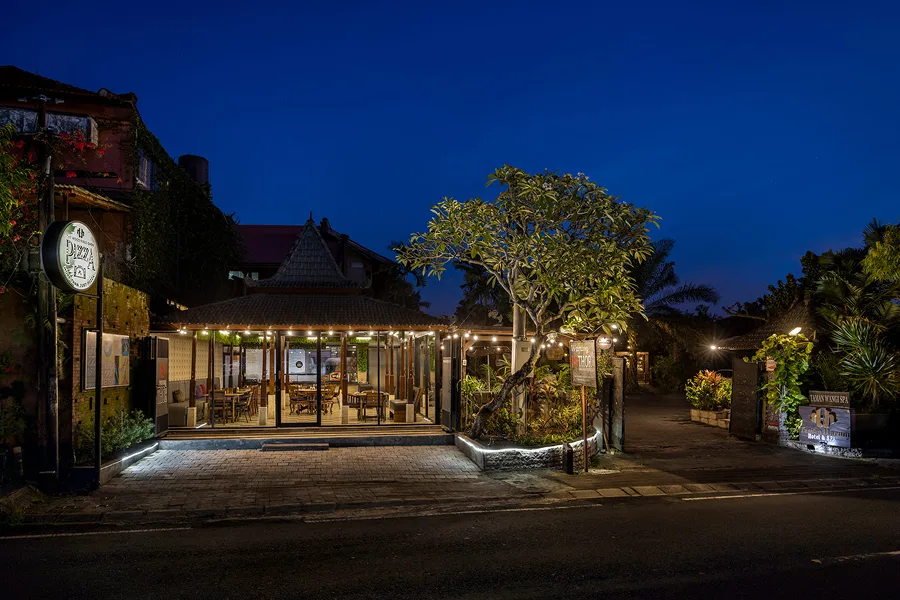
Taman Harum Cottages is located in Ubud, surrounded by rice terraces and tropical gardens. The property is set back from the main roads, which keeps the environment quiet. The cottages are spread across the grounds with pathways connecting the rooms, yoga shala, dining area, and common spaces.
Getting to Taman Harum Cottages
From Ngurah Rai International Airport (Denpasar)
The airport is located near Denpasar in southern Bali. Ubud is approximately 35 to 40 kilometers north, depending on the route. Travel time is usually between one and a half to two hours, depending on traffic.
Transportation options:
Private transfer – This is the most straightforward option. A driver will meet you at the airport and take you directly to Taman Harum Cottages. Transfers can be arranged through the resort in advance. The cost is typically around 350,000 to 450,000 IDR (approximately $25–$30 USD), depending on the time of day.
Taxi – Official airport taxis are available at the arrivals terminal. You pay a fixed rate at the counter before leaving. The fare to Ubud is similar to a private transfer. Make sure the driver knows the exact name and location: Taman Harum Cottages, Ubud.
Ride-hailing apps – Grab and Gojek operate in Bali, though availability at the airport can be inconsistent. If you choose this option, arrange pickup from the departure level rather than arrivals, as it's sometimes easier to connect with drivers there.
Shared shuttle – Some companies offer shared shuttle services from the airport to Ubud. These are cheaper but take longer, as they make multiple stops. You'll need to book in advance.
Arrival timing
It's recommended to arrive at least one day before the training begins. This gives you time to adjust to the time zone, rest from travel, and settle into the space. If your flight arrives late in the evening, plan to stay the night and rest before the training starts early the next morning.
Local transportation in Ubud
Once you're at Taman Harum Cottages, most of your time will be spent on the property. If you need to go into central Ubud during free time, it's about a 10 to 15-minute motorbike or taxi ride. Walking is possible but takes longer, especially in the heat.
Motorbike rentals are common and inexpensive (around 50,000–70,000 IDR per day), though you'll need an international driving permit and some experience riding. Taxis and ride-hailing apps are also available and affordable for short trips.
FAQ
Do I need to be flexible to join this training?
No. Flexibility develops with practice, but it's not a requirement. You need to be able to practice basic poses and sit for meditation, but we work with different levels.
Can I join if I've never taught before?
Yes. This training is suitable for beginners to teaching. We cover the basics and give you a chance to practice in a supportive setting.
Will I be able to teach after completing this course?
You'll have the foundational skills to teach simple classes. Whether you feel ready to teach depends on your confidence and how much you continue practicing after the training. Some people start teaching right away. Others take more time.
Is this training registered with Yoga Alliance?
We are not currently a Yoga Alliance Registered School, but our training follows their guidelines for a 100-hour program. If you plan to register with Yoga Alliance later, you can use this training as part of your 200-hour certification.
What if I'm older or have injuries?
We can work with most injuries and modifications. Let us know when you register so we can prepare. If you have a serious injury or condition, check with your doctor before joining.
Is this training suitable for men?
Yes. Yoga trainings are open to everyone. We usually have a mix of men and women in each group.
Can I come alone?
Most participants come alone. You'll be practicing and learning with a small group throughout the training, so you won't feel isolated.
What if I can't sit cross-legged for meditation?
You can sit on a chair or meditation bench. We provide props and modifications.
Is there internet access?
Yes, though we encourage you to limit your use during the training. It helps to disconnect and stay focused.
What's the cancellation policy?
If you cancel more than 30 days before the start date, you'll receive a refund minus a $200 processing fee. Cancellations within 30 days are non-refundable, though you can transfer to a future training if space is available.