
300 Hour Yoga Teacher Training in Bali
A 300 hour yoga teacher training in Bali is advanced study for teachers who have completed a 200-hour certification and want to refine their practice and teaching. This program at Advait Yoga Meditation is not for beginners. It's for people who have been teaching, or practicing seriously, and have realized that the foundational training was only the beginning.
The training goes deeper into asana mechanics, breath work, philosophy, and the skills needed to guide students through more nuanced practice. It also addresses what happens when you teach regularly—how to adjust on the spot, how to read a room, how to keep your own practice alive when you're giving most of your energy to others.
This is not certification for the sake of credentials. It's structured study with experienced teachers in a setting that allows for focus without distraction. Classes are small. The pace is slower than a 200-hour program because the material requires more time to absorb. You're expected to bring questions, not just follow instructions.
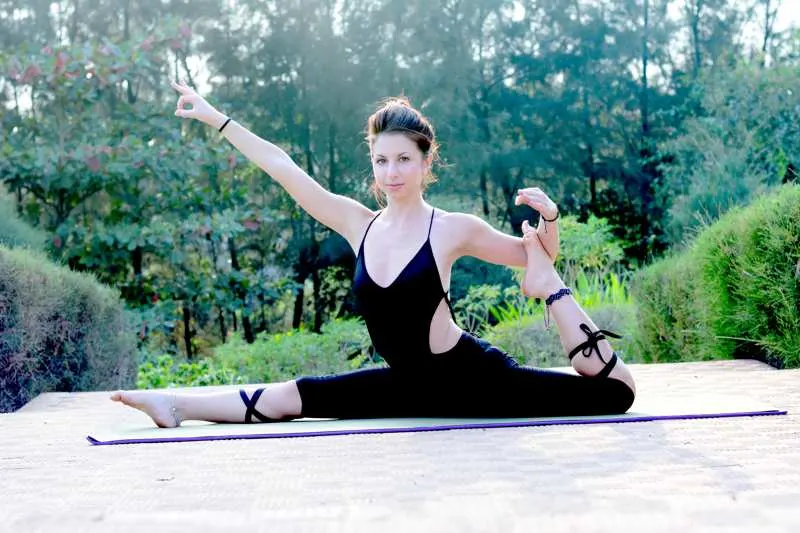
Introduction
Teachers choose a 300-hour training when they've been working for a while and notice gaps in their understanding. Maybe alignment principles that seemed clear in the 200-hour training don't translate well when students have different bodies or injuries. Maybe sequencing feels formulaic. Maybe the philosophy studied earlier now seems abstract and disconnected from actual teaching.
The shift from learning basics to refining teaching is subtle but significant. In a 200-hour program, you're learning what things are—how to do a pose, what a breathing technique involves, what the Yoga Sutras say. In a 300-hour training, you're learning how things work together, why certain approaches are effective, and how to adapt when the plan doesn't match the reality in front of you.
Environment matters at this stage because advanced study requires sustained attention. You can't refine your teaching in weekend workshops scattered over months. You need continuity. Bali offers that—a setting where you can commit fully for several weeks without managing the logistics of daily life elsewhere. The quietness supports deeper work. The rhythm of the place doesn't fight against the schedule.
About the 300 Hour Yoga Teacher Training
The purpose of advanced training is not to learn more techniques. It's to understand the ones you already know in greater depth. A 300-hour program refines your eye for alignment, sharpens your ability to sequence intelligently, and builds the confidence needed to adjust a class in real time based on what students actually need.
Deepening practice and teaching means moving past surface-level knowledge. It means being able to explain why a cue works, not just repeat it. It means recognizing patterns in your own teaching—what you avoid, what you overemphasize, where you default to habit instead of observation. It also means developing your own voice as a teacher, which takes time and honest feedback.
The difference between 200-hour and 300-hour training is partly in the content—more advanced asana, more complex pranayama, deeper study of texts—but mostly in the approach. A 200-hour program teaches you what to do. A 300-hour program teaches you how to think, how to observe, and how to keep learning independently.
The emphasis here is on integration, not accumulation. You're not collecting more certifications or adding tools to a teaching toolkit. You're clarifying what you already have and learning to use it with precision. That requires slowing down, not speeding up.
Why Continue Your Training in Bali
Bali has become a common location for advanced trainings because the environment supports the kind of focus this level of study requires. Mornings are quiet. The natural surroundings—rice fields, forest, open sky—provide space to think without constant input. The rhythm of daily life is slower than in most cities, which makes it easier to settle into a month-long program without feeling like you're forcing stillness.
The balance between discipline and spaciousness matters in advanced training. You need structure to go deeper, but you also need room to process what you're learning. Bali offers both. The days are full, but not rushed. There's time to practice hard in the morning, study carefully in the afternoon, and rest without guilt in between.
Culturally, Bali's Hindu-Balinese traditions include daily rituals, temple ceremonies, and a general orientation toward reverence that parallels certain aspects of yoga practice. This doesn't mean the training mixes Balinese and Indian traditions or romanticizes the local culture. It just means there's a shared sensibility around ritual and discipline that feels appropriate for advanced study.
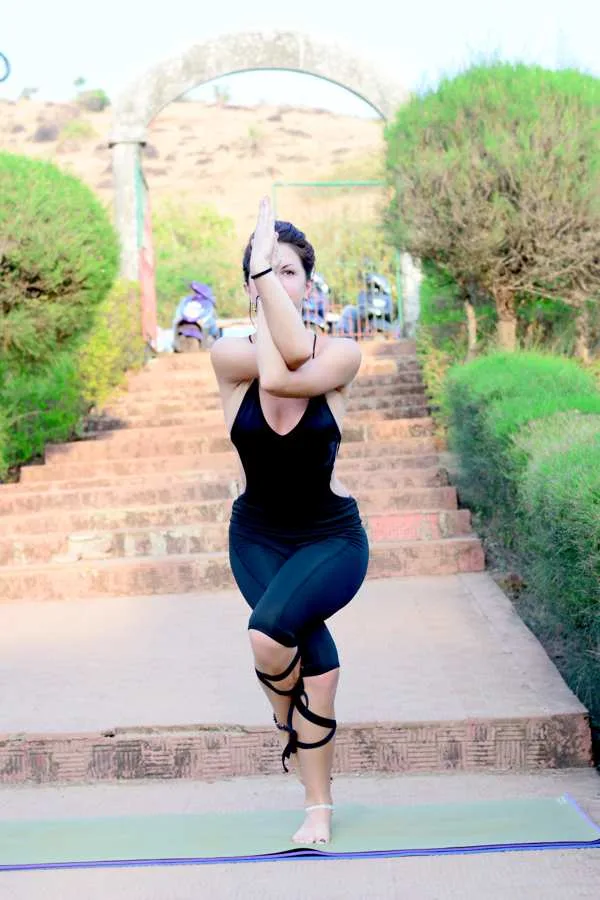
Advanced Curriculum Overview
The curriculum builds on the foundation established in a 200-hour training. It assumes you already understand basic alignment, common pranayama techniques, and the structure of the Yoga Sutras. The focus is on refinement and application.
Advanced Asana and Functional Alignment
Asana study at this level goes into biomechanics. You learn how individual variation in skeletal structure affects what's possible in a pose and what's not. You examine leverage, weight distribution, and how compensatory patterns develop when students force themselves into shapes their bodies aren't built for.
The focus is on functional alignment—what serves the student in front of you, not what the ideal version of a pose looks like. You practice observing subtle misalignments and learning when to correct them and when to leave them alone. You also work with more complex poses, not to master them, but to understand what they ask of the body and how to teach them safely.
Advanced Pranayama and Subtle Body Awareness
Pranayama study includes longer retention practices, more intricate ratios, and techniques like viloma and chandra bhedana that weren't covered in foundational training. The instruction is gradual. Each technique is practiced extensively before being taught to others.
There's also more attention to pranic anatomy—the kosha model, nadis, chakras—not as mystical concepts but as maps for observing energy and attention in the body. This part of the curriculum is taught carefully, without exaggeration or New Age overlay. The goal is to give you a framework for understanding subtle experience, not to make unverifiable claims.
Meditation, Dharana, and Inner Observation
Your content goes here. Edit or remove this text inline or in the module Content settings. You can also style every aspect of this content in the m
Meditation practice at this level is less guided. You're expected to sit daily, work with distraction, and observe patterns in your own mind without needing constant instruction. Some sessions introduce dharana practices—concentration techniques that focus attention more sharply than basic breath awareness.
There's also discussion of what meditation is and isn't, how it relates to the other limbs of yoga, and why it's often misunderstood or misrepresented in Western contexts. The teaching is straightforward. Meditation is presented as a practice of sustained attention, not a method for achieving calm or insight on demand.
odule Design settings and even apply custom CSS to this text in the module Advanced settings.
Yoga Philosophy Applied to Teaching and Life
Philosophy study goes deeper into the Yoga Sutras, Bhagavad Gita, Hatha Yoga Pradipika, and selected Upanishads. The approach is inquiry-based. You read sections, discuss them in small groups, and consider how they relate to your own teaching and practice.
The focus is on application, not academic analysis. How does the concept of abhyasa and vairagya inform the way you practice? What does the Gita's teaching on dharma mean for someone trying to make a living as a yoga teacher? How do you explain the yamas and niyamas to students without sounding preachy or reductive?
These discussions are often the most challenging part of the training because they require honesty about what you actually believe and practice, not just what you think you're supposed to say.
Anatomy for Experienced Teachers
Your content goes here. Edit or remove this text inline or in the module Content settings. You can also style every aspect of this content in the module D
Anatomy study at this level includes more detail on joint structure, fascia, the nervous system, and common injury patterns. You learn to recognize when a student's limitation is structural versus muscular, when pain is a warning signal versus normal sensation, and when to refer someone to a healthcare professional.
There's also discussion of teaching students with injuries, chronic pain, or conditions like scoliosis and osteoporosis. The instruction is conservative. You're taught to modify extensively and to prioritize safety over achieving a particular shape.
esign settings and even apply custom CSS to this text in the module Advanced settings.
Sequencing, Adjustments, and Hands-On Work
Sequencing study covers how to build a class that has coherence—not just a random collection of poses, but a progression that prepares the body intelligently for what's coming next. You learn to sequence for specific goals, adapt on the spot when something isn't working, and balance challenge with accessibility.
Hands-on adjustments are taught with care. You learn when touch is helpful and when it's intrusive, how to adjust without imposing your idea of the pose onto someone else's body, and how to communicate clearly before touching a student. Consent and boundaries are discussed explicitly.
Teaching Refinement and Mentorship
Teaching refinement involves watching recordings of yourself teaching, receiving feedback from senior teachers, and identifying patterns—verbal tics, pacing issues, overuse of certain cues, tendency to over-correct or under-correct. This part of the training can be uncomfortable. It requires accepting that even experienced teachers have blind spots.
Mentorship happens in small groups and one-on-one sessions. You discuss specific challenges you're facing in your teaching—difficult students, class dynamics, maintaining your own practice while teaching full time. Teachers offer perspective based on their own experience, but they don't provide easy answers.
Practicum and Peer Teaching
In the final weeks, you teach longer classes under supervision. These sessions are reviewed in detail—what worked, what didn't, what could be refined. Feedback is direct but respectful. The goal is to help you see clearly, not to critique for its own sake.
You also participate as a student in classes taught by peers. This gives you a sense of what it's like to be on the receiving end of different teaching styles and helps you develop more empathy for students who might not respond to your natural approach.
Teaching Methodology and Mentorship
The teaching methodology at Advait Yoga Meditation is rooted in traditional hatha and ashtanga lineages but communicated without dogma. Teachers have studied with senior practitioners in India, taught in various countries, and have years of experience working with students at different levels.
Classes are small—typically eight to twelve students per training. This allows for close observation and individual guidance. Teachers notice when something isn't clear and address it directly, either in the moment or in private conversation later.
The approach is inquiry-based. You're encouraged to ask questions, test what you're learning, and disagree when something doesn't align with your experience. Teachers share what they know but also acknowledge uncertainty and variation. There's no expectation that you'll adopt their teaching style wholesale.
Mentorship is offered throughout the training, both formally and informally. Formal sessions involve reviewing your teaching and discussing specific challenges. Informal mentorship happens over meals, during breaks, or in quiet conversations after evening practice. The relationship is collegial, not hierarchical.
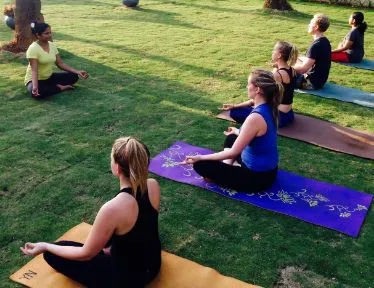
Daily Schedule
| Time | Activity |
|---|---|
| 6:00 AM | Wakeup |
| 07:00 – 07:30 AM | Pranayama / Meditation / Chanting |
| 7:30 - 9:00 AM | Asana Practice |
| 9:00 - 10:00 AM | Breakfast |
| 10:00 - 11:45 AM | Teaching Methodology |
| 11:45 AM - 1 PM | Yoga Phylosophy |
| 1:00 - 2:00 PM | Lunch |
| 2:30 - 4:00 PM | Anatomy / Physiology |
| 4:00 - 5:45 PM | Asana Practice / Teaching Asanas |
| 6:00 - 7:00 PM | Meditation |
| 7 : 30 PM | Dinner |
Who This Training Is For
This training is for teachers who have completed a 200-hour yoga teacher training and have been teaching or practicing seriously since then. You don't need years of experience, but you should have enough to know what questions you're trying to answer.
It's for teachers seeking depth, not just another certification. If you're primarily interested in adding credentials to your resume, this may not be the right fit. The training is designed for people who want to understand yoga more fully and teach with greater clarity and confidence.
It's also for long-term practitioners who may not teach professionally but are committed to deepening their practice. Some students are therapists, bodyworkers, or educators who integrate yoga into their work and want a more thorough grounding.
You should be comfortable with discipline and self-study. The training requires consistent attendance, daily practice, reading outside of class, and honest self-assessment. You should also be prepared for feedback that might challenge your current approach to teaching.
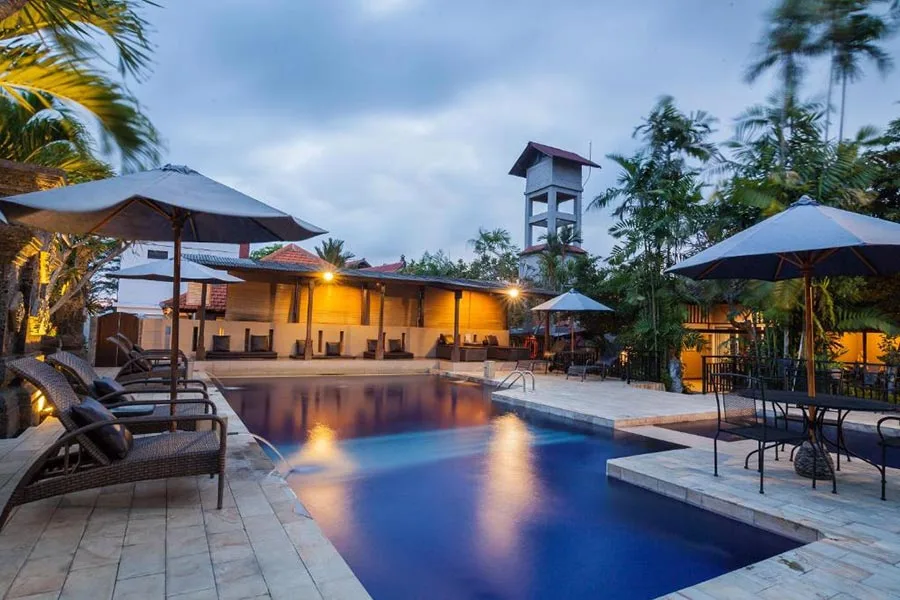
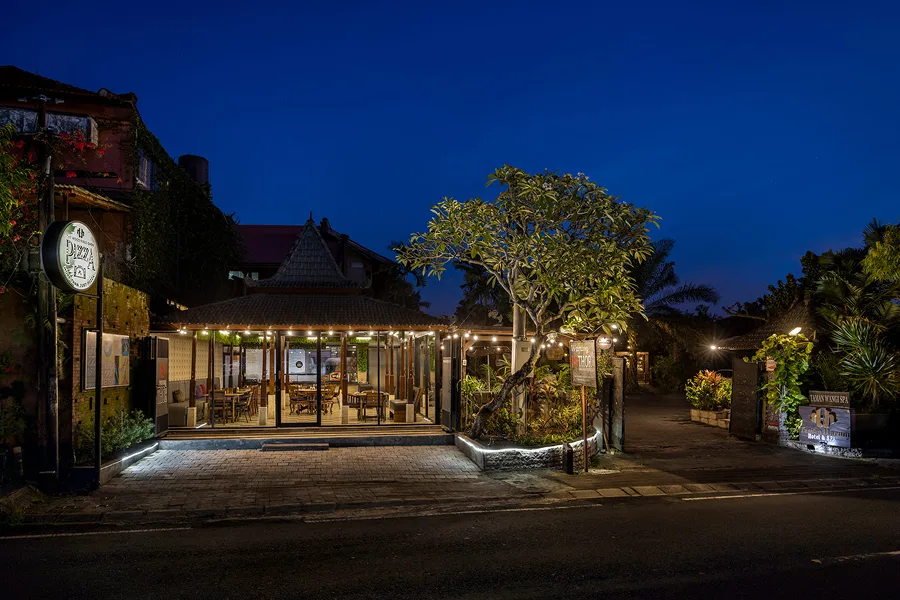
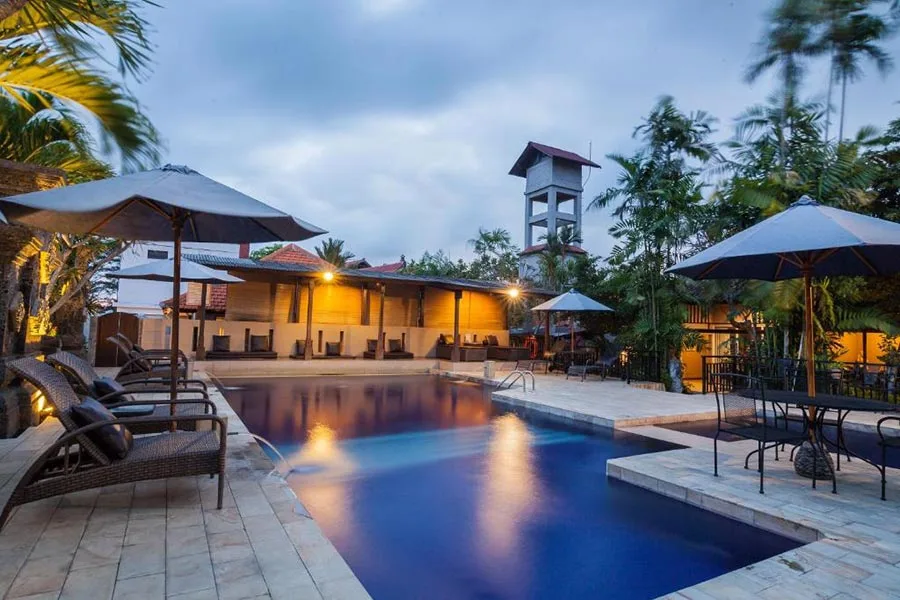
Accommodation — Taman Harum Cottages
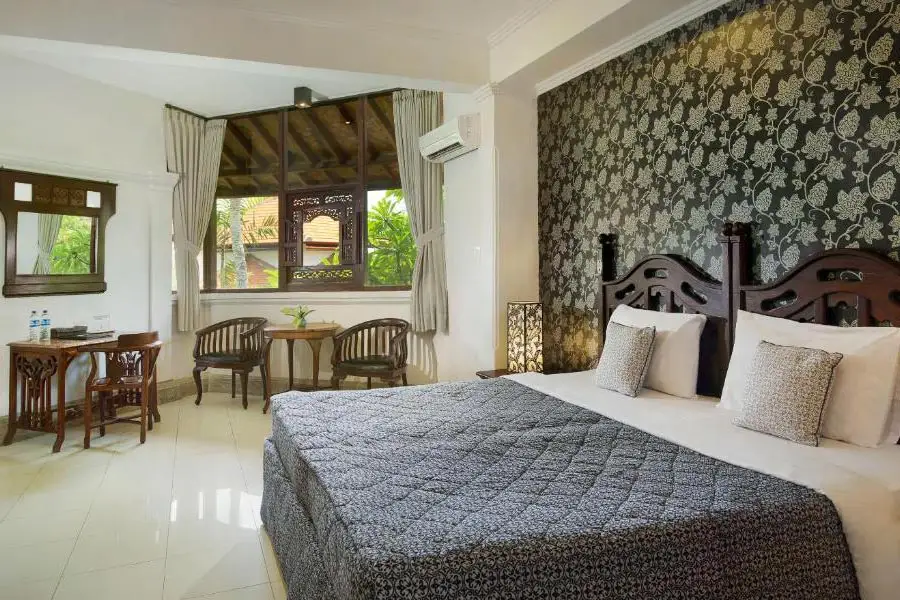
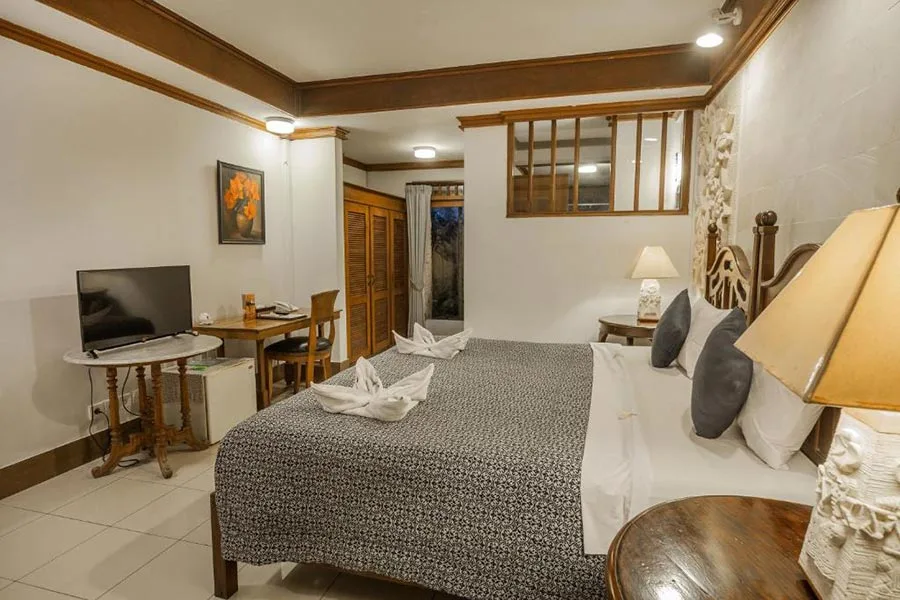

Room Features:
-
Air-conditioned comfort
-
Stunning lagoon or sea views
-
Private modern bathroom
-
Located steps away from the beach 🏝️
-
Resort amenities (pool, lounge, hammocks)
Meals — Healthy & Nourishing
-
3 yogic vegetarian meals prepared daily
-
Fresh fruits, local produce, herbal teas
-
Vegan, gluten-free requests welcomed
Balanced nutrition → deeper practice + better energy ✨

Investment and What's Included
| Course Date | Private Superior Single Room | Private Superior Couple Room | Superior Twin Share Room | Availability |
|---|---|---|---|---|
| 5 May - 1 Jun 2026 | €4200 | €4000 | €3800 | Book Now |
| 5 Jun - 2 Jul 2026 | €4200 | €4000 | €3800 | Book Now |
| 5 Jul - 1 Aug 2026 | €4200 | €4000 | €3800 | Book Now |
| 5 Aug - 1 Sept 2026 | €4200 | €4000 | €3800 | Book Now |
| 5 Sept - 2 Oct 2026 | €4200 | €4000 | €3800 | Book Now |
| 5 Oct - 1 Nov 2026 | €4200 | €4000 | €3800 | Book Now |
| 5 Nov - 2 Dec 2026 | €4200 | €4000 | €3800 | Book Now |
| 5 Dec - 1 Jan 2027 | €4200 | €4000 | €3800 | Book Now |
This includes:
- All training sessions and materials
- Accommodation for 27 nights
- Breakfast Lunch and dinner daily
- Access to the practice space throughout your stay
- A course manual and certificate upon completion
Not included:
- Flights to and from Bali
- Visa fees
- Personal expenses or travel outside the training center
Location and How to Get There
About Taman Harum Cottages
Taman Harum Cottages is located in Ubud, surrounded by rice terraces and tropical gardens. The property is set back from the main roads, which keeps the environment quiet. The cottages are spread across the grounds with pathways connecting the rooms, yoga shala, dining area, and common spaces.
Getting to Taman Harum Cottages
From Ngurah Rai International Airport (Denpasar)
The airport is located near Denpasar in southern Bali. Ubud is approximately 35 to 40 kilometers north, depending on the route. Travel time is usually between one and a half to two hours, depending on traffic.
Transportation options:
Private transfer – This is the most straightforward option. A driver will meet you at the airport and take you directly to Taman Harum Cottages. Transfers can be arranged through the resort in advance. The cost is typically around 350,000 to 450,000 IDR (approximately $25–$30 USD), depending on the time of day.
Taxi – Official airport taxis are available at the arrivals terminal. You pay a fixed rate at the counter before leaving. The fare to Ubud is similar to a private transfer. Make sure the driver knows the exact name and location: Taman Harum Cottages, Ubud.
Ride-hailing apps – Grab and Gojek operate in Bali, though availability at the airport can be inconsistent. If you choose this option, arrange pickup from the departure level rather than arrivals, as it's sometimes easier to connect with drivers there.
Shared shuttle – Some companies offer shared shuttle services from the airport to Ubud. These are cheaper but take longer, as they make multiple stops. You'll need to book in advance.
Arrival timing
It's recommended to arrive at least one day before the training begins. This gives you time to adjust to the time zone, rest from travel, and settle into the space. If your flight arrives late in the evening, plan to stay the night and rest before the training starts early the next morning.
Local transportation in Ubud
Once you're at Taman Harum Cottages, most of your time will be spent on the property. If you need to go into central Ubud during free time, it's about a 10 to 15-minute motorbike or taxi ride. Walking is possible but takes longer, especially in the heat.
Motorbike rentals are common and inexpensive (around 50,000–70,000 IDR per day), though you'll need an international driving permit and some experience riding. Taxis and ride-hailing apps are also available and affordable for short trips.
Eligibility, Prerequisites, and Code of Conduct
To enroll, you must have completed a 200-hour yoga teacher training registered with Yoga Alliance or an equivalent program. Proof of completion is required during the application process.
Some teaching experience is helpful but not mandatory. If you have injuries, chronic conditions, or other health concerns that might affect your participation, these should be disclosed when you apply.
During the training, students are expected to follow basic guidelines. Alcohol and recreational drugs are not permitted. Smoking is discouraged. Relationships or sexual involvement between students during the training create complications and are strongly advised against.
Respect for the shared space and other students is assumed. Noise is kept minimal, especially in the early morning and late evening. Personal areas are kept tidy. The center is maintained collectively.
These expectations exist to support the work, not to impose unnecessary rules. Advanced study requires focus, and distractions undermine that for everyone.
Practical Information
Most international students arrive through Ngurah Rai International Airport in Denpasar. From there, Ubud is about an hour and a half by taxi or pre-arranged transfer. It's recommended to arrive at least a day before the training starts to adjust to the time zone and settle in.
What to bring: Comfortable clothing for practice, your own yoga mat if you have a preference, a water bottle, notebook and pen, any medications you take regularly, insect repellent, and a light rain jacket if arriving during the wet season. Most other items can be purchased locally if needed.
Bali's climate is tropical and humid. Mornings and evenings are cooler. Midday can be quite warm. The rainy season runs from November to March, with short, heavy downpours rather than all-day rain.
The local currency is the Indonesian Rupiah. ATMs are available in Ubud. Credit cards are accepted in some places, but cash is more reliable. It's useful to have small bills for local markets or warungs.
Continuing the Path
Choosing to continue your training is not a casual decision. It requires time, money, and the willingness to examine your teaching honestly. Not everyone is ready for that, and there's no shame in waiting until you are.
Advanced training is most useful when you've been teaching long enough to have questions that can't be answered in a weekend workshop. It's for people who have noticed patterns in their teaching they want to change, or who feel their practice has plateaued and aren't sure how to move forward.
Advait Yoga Meditation offers this training for teachers who value clarity over credentials, depth over breadth, and who are willing to spend a month learning in a focused, quiet environment. The teaching is experienced but not prescriptive. The setting supports the work without unnecessary distraction.
If that aligns with what you're looking for, the application process is straightforward. If you're unsure, it's worth waiting until you are. The training will be here when you're ready.