
200 Hour Yoga Teacher Training in Bali
A 200 hour yoga teacher training in Bali is a month-long commitment to learning yoga in a steady, focused way. This program at Advait Yoga Meditation is for people who have practiced yoga for some time and want to understand it more deeply—either to teach, or simply to know what they're doing when they practice.
The training covers asana, pranayama, meditation, philosophy, anatomy, and how to teach. It follows Yoga Alliance guidelines but prioritizes depth over certification paperwork. Classes are small. The schedule is consistent. The environment is quiet enough to focus without feeling isolated.
This is not a retreat. It's structured study with daily practice, reading, discussion, and teaching practice. You'll spend most of your day engaged with yoga in some form. The rest of the time is yours to rest, walk, or sit quietly.
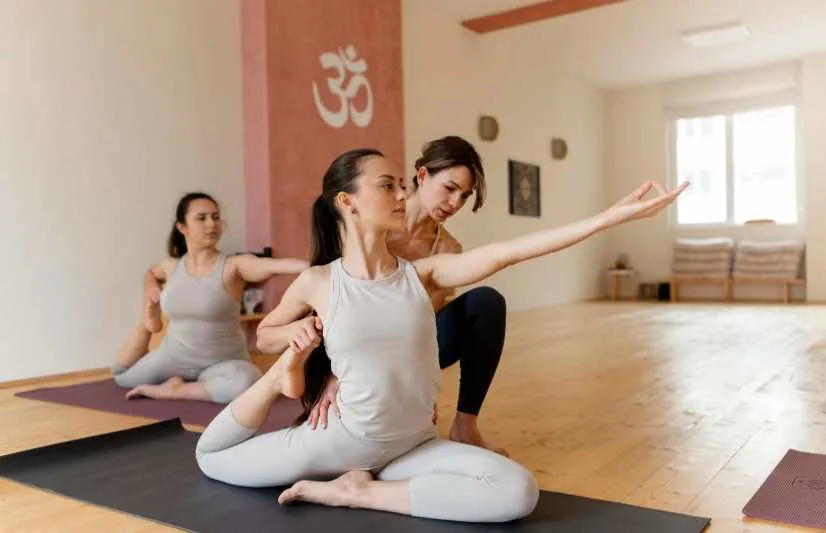
Introduction
People choose a 200-hour teacher training for different reasons. Some want to teach yoga professionally. Others are drawn to the structure—wanting to deepen their practice in a way that self-study doesn't always allow. A few come because they've been practicing for years and realize they don't fully understand what they're doing.
The training requires commitment. You attend every session. You practice daily, even when you're sore or distracted. You read texts that might feel unfamiliar at first. You teach in front of others, which can be uncomfortable. And you adjust to living simply for a month—less screen time, lighter meals, earlier mornings.
Bali supports this kind of focused study because it removes some of the noise. You're not navigating a busy city or managing daily logistics in a complicated way. The rhythm of the place is slower. Mornings are cool and quiet. Afternoons are warm. Evenings settle early. The natural environment doesn't demand anything from you, which makes it easier to turn inward without feeling like you're forcing it.
About the 200 Hour Yoga Teacher Training
A 200-hour program is the foundation-level certification in yoga teaching. It covers what you need to know to guide a basic class safely and thoughtfully. It doesn't make you an expert. It gives you a framework to keep learning from.
The training prepares you to understand alignment, observe students, sequence a class, explain breathing techniques, and offer adjustments when appropriate. It also teaches you to recognize what you don't know—when to refer someone to a physiotherapist, when to modify a pose rather than push through it, when to stay quiet instead of over-correcting.
Some schools focus heavily on getting certified. Others focus on practice. Advait Yoga Meditation sits between those two. The certification matters because it opens doors if you want to teach, but the real work is in developing your own clarity about what yoga is and how it functions. That takes longer than a month, but the training sets the direction.
The emphasis here is on steady learning. You're not asked to do advanced asanas you're not ready for. You're not thrown into teaching without preparation. The pace is deliberate. Each week builds on the previous one. By the end, you should feel more grounded in your practice, not more anxious about whether you're good enough.
Why Study Yoga in Bali
Bali has become a center for yoga training, partly because of its natural environment and partly because of the way life is structured there. The mornings are cool. Rice fields surround most training centers. The ocean is close enough to visit on a free afternoon. There's a rhythm to daily life that doesn't fight against the schedule of a yoga program.
The balance between discipline and ease matters in a month-long training. You need structure to stay focused, but you also need space to absorb what you're learning. Bali offers both. The days are full, but they don't feel relentless. You practice hard in the morning, study in the afternoon, and have time in the evening to rest or reflect.
Culturally, Bali is shaped by Hinduism and its own animist traditions. Offerings are placed at doorways each morning. Temples are active. There's a respect for ritual that parallels some aspects of yogic practice, even though the two traditions are distinct. This doesn't mean the training romanticizes Balinese culture or tries to blend it with Indian yoga. It just means there's a shared sense of reverence that feels appropriate for this kind of study.
Curriculum Overview
The curriculum covers six main areas. Each one is taught separately but connects to the others over the course of the month.
Asana Practice and Alignment
You practice asana every morning. The focus is on hatha yoga with some vinyasa sequencing. Classes emphasize alignment over flexibility. You learn to observe your own body and make adjustments based on what you feel, not just what a pose is supposed to look like.
Alignment study goes into detail—how the femur sits in the hip socket, where weight should distribute in standing poses, how the spine moves in forward folds and backbends. You also learn common misalignments and how to recognize them in yourself and others.
Pranayama and Breath Control
Pranayama is taught progressively. You start with basic techniques like diaphragmatic breathing and ujjayi, then move into nadi shodhana, kapalabhati, and bhastrika. Each technique is practiced daily before being introduced in a teaching context.
The instruction is careful. Breath retention is taught only after the foundation is stable. You're encouraged to notice what happens in your body and mind during pranayama, not just to follow the technique mechanically.
Meditation and Inner Observation
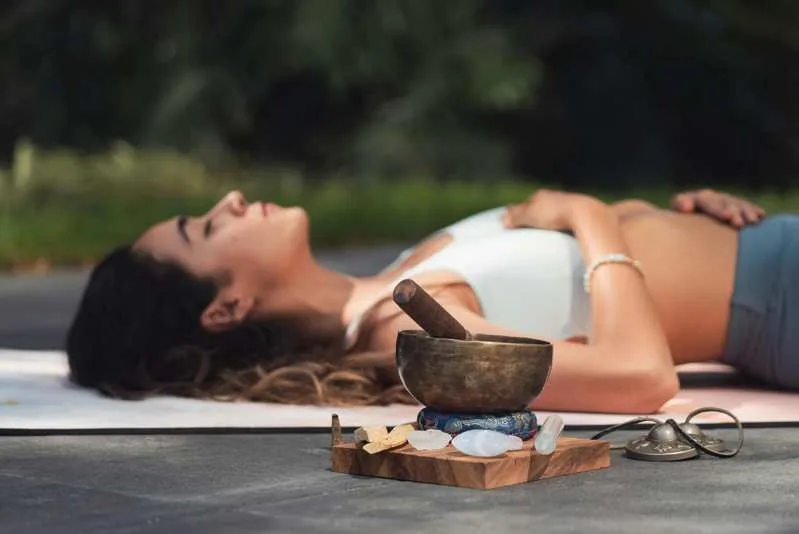
Meditation sessions are held most evenings. The approach is simple—seated posture, attention on the breath, returning when the mind wanders. Some sessions include guided body scans or yoga nidra. Others are silent.
The teaching doesn't promise outcomes. Meditation is presented as a practice of noticing, not achieving. You're asked to sit regularly and observe what comes up, without judging whether you're doing it right.
Yoga Philosophy
Your content goes here. Edit or remove this text inline or in the module
Philosophy classes cover the Yoga Sutras, Bhagavad Gita, and basic concepts from Samkhya and Vedanta. The focus is on understanding these texts in a practical way, not analyzing them academically.
Discussions are kept grounded. You're not expected to memorize Sanskrit terms or recite verses, but you are asked to consider how these ideas relate to your own experience. The goal is to develop a working understanding of yoga's philosophical framework, not to become a scholar.
Content settings. You can also style every aspect of this content in the module Design settings and even apply custom CSS to this text in the module Advanced settings.
Anatomy Basics for Teachers
Anatomy sessions cover the skeletal and muscular systems as they relate to asana. You learn the major bones, joints, and muscle groups involved in common poses. The instruction is functional—what teachers need to know to guide students safely, not what a physiotherapist would study.
There's also discussion of contraindications, common injuries, and when to modify or avoid certain poses. The emphasis is on preventing harm, not diagnosing or treating it.
Teaching Methodology and Communication
Teaching methodology covers how to structure a class, give clear instructions, demonstrate poses, and use language effectively. You learn to observe students, offer modifications, and adjust the pace of a class based on what's happening in the room.
Communication skills are practiced in small groups. You teach short sequences to each other, receive feedback, and refine your approach. The process is iterative. Early attempts are often awkward. That's expected.
Practicum and Guided Teaching
Your content goes here. Edit or remove this text inline or in the module CoIn the final week, you teach longer practice classes under supervision. These sessions are reviewed with teachers and peers. Feedback is direct but not harsh. The goal is to help you see what's working and what needs attention, not to judge whether you're a good teacher.ntent settings. You can also style every aspect of this content in the module Design settings and even apply custom CSS to this text in the module Advanced settings.
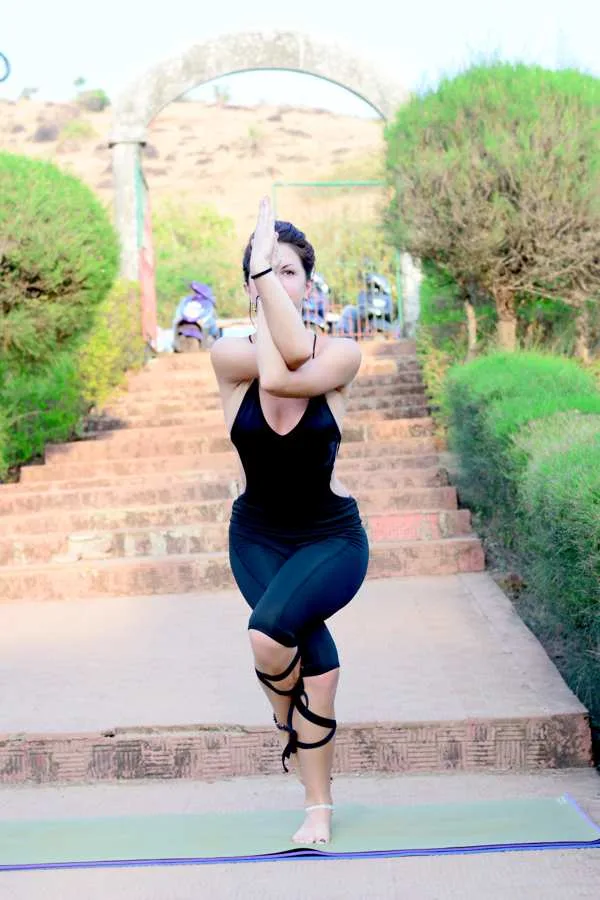
Daily Schedule
| Time | Activity |
|---|---|
| 6:00 AM | Wakeup |
| 07:00 – 07:30 AM | Pranayama / Meditation / Chanting |
| 7:30 - 9:00 AM | Asana Practice |
| 9:00 - 10:00 AM | Breakfast |
| 10:00 - 11:45 AM | Teaching Methodology |
| 11:45 AM - 1 PM | Yoga Phylosophy |
| 1:00 - 2:00 PM | Lunch |
| 3:30 - 4:00 PM | Anatomy / Physiology |
| 4:00- 5:45 PM | Asana Practice / Teaching Asanas |
| 7:30 - 8:00 PM | dinner |
| 8:30 - 9:00 PM | Meditation/Chanting 3days a week |
Teaching Methodology at Advait Yoga Meditation
The teaching here draws from traditional hatha and Vinyasa Yoga but is communicated in plain language. Teachers have studied in India and have taught for years in different settings. They're experienced, but they don't position themselves as authorities in a hierarchical sense.
Classes are small—usually around ten to fifteen students per training. This allows for individual attention. Teachers notice when something isn't clear and address it directly. Questions are welcomed. Confusion is treated as part of the process.
The approach is more conversational than formal. Teachers share what they know and acknowledge what they don't. There's no pressure to accept everything without question. You're encouraged to test what you learn against your own experience.
Who This Training Is For
This training is suited for people who have practiced yoga regularly for at least a year, preferably longer. You don't need to be flexible or strong in any extreme way, but you should be comfortable practicing for two hours without needing constant modification.
It's for aspiring yoga teachers who want a solid foundation. It's also for dedicated practitioners who want to deepen their understanding without necessarily teaching. Some students are therapists, bodyworkers, or movement teachers looking to integrate yoga into their existing work.
You should be ready for discipline. The schedule is consistent. Attendance is expected. There's no room for casual participation. At the same time, the environment isn't rigid. If you're tired or injured, adjustments are made. The discipline is there to support learning, not to prove toughness.
Accommodation — Taman Harum Cottages
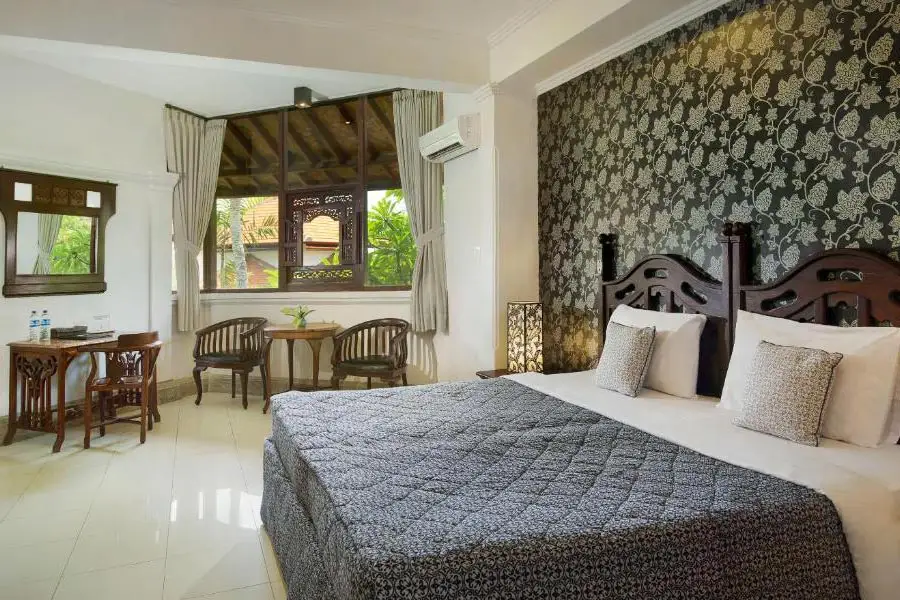
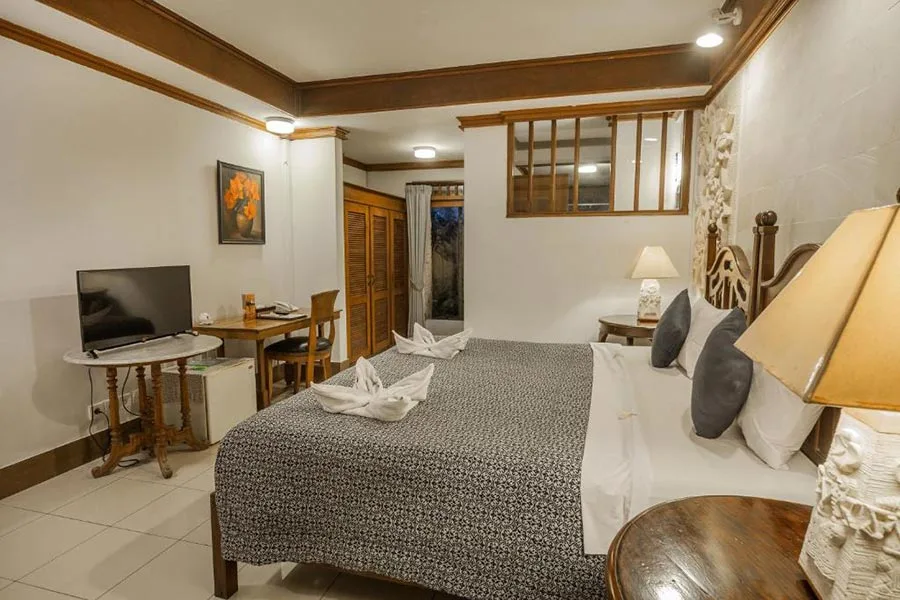

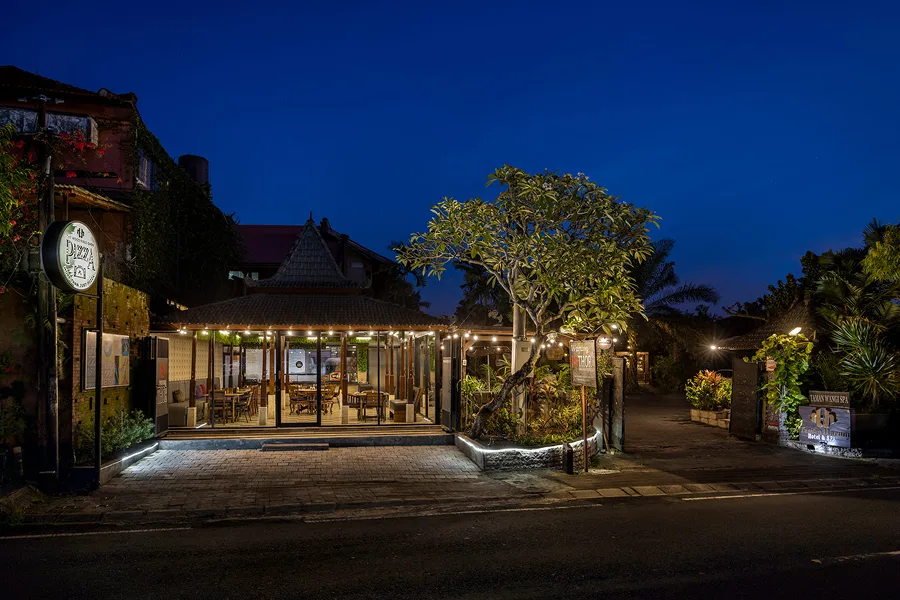
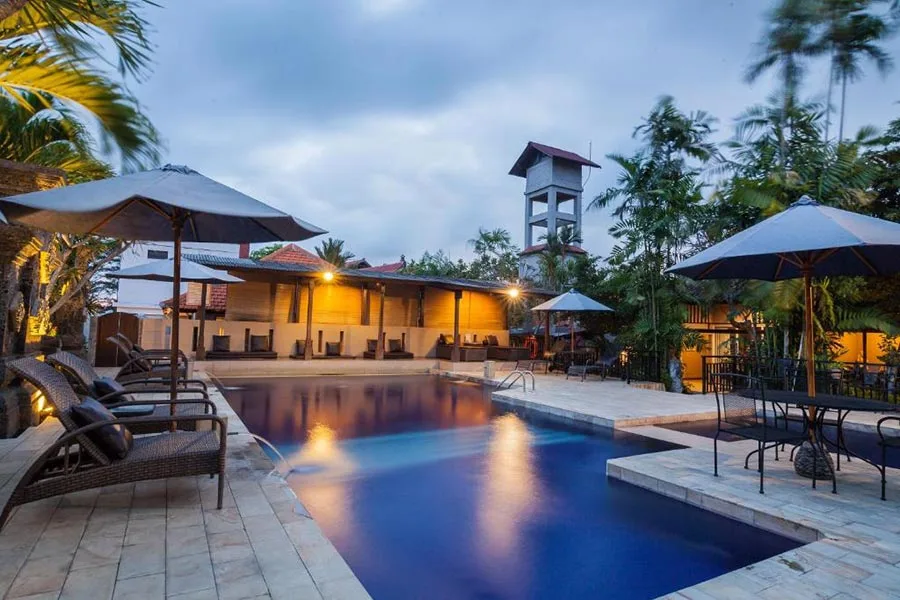
Room Features:
-
Air-conditioned comfort
-
Stunning lagoon or sea views
-
Private modern bathroom
-
Located steps away from the beach 🏝️
-
Resort amenities (pool, lounge, hammocks)
Meals — Healthy & Nourishing
-
3 yogic vegetarian meals prepared daily
-
Fresh fruits, local produce, herbal teas
-
Vegan, gluten-free requests welcomed
Balanced nutrition → deeper practice + better energy ✨

Upcoming Dates
| Course Date | Private Superior Single Room | Private Superior Couple Room | Superior Twin Share Room | Availability |
|---|---|---|---|---|
| 5 - 27 May 2026 | €3400 | €2700 | €2300 | Book Now |
| 5 - 27 June 2026 | €3400 | €2700 | €2300 | Book Now |
| 5 - 27 July 2026 | €3400 | €2700 | €2300 | Book Now |
| 5 - 27 Aug 2026 | €3400 | €2700 | €2300 | Book Now |
| 5 - 27 Sept 2026 | €3400 | €2700 | €2300 | Book Now |
| 5 - 27 Oct 2026 | €3400 | €2700 | €2300 | Book Now |
| 5 - 27 Nov 2026 | €3400 | €2700 | €2300 | Book Now |
| 5 - 27 Dec 2026 | €3400 | €2700 | €2300 | Book Now |
This includes:
- All training sessions and materials
- Accommodation for 22 nights
- Breakfast Lunch and dinner daily
- Access to the practice space throughout your stay
- A course manual and certificate upon completion
Not included:
- Flights to and from Bali
- Visa fees
- Personal expenses or travel outside the training center
Location and How to Get There
About Taman Harum Cottages
Taman Harum Cottages is located in Ubud, surrounded by rice terraces and tropical gardens. The property is set back from the main roads, which keeps the environment quiet. The cottages are spread across the grounds with pathways connecting the rooms, yoga shala, dining area, and common spaces.
Getting to Taman Harum Cottages
From Ngurah Rai International Airport (Denpasar)
The airport is located near Denpasar in southern Bali. Ubud is approximately 35 to 40 kilometers north, depending on the route. Travel time is usually between one and a half to two hours, depending on traffic.
Transportation options:
Private transfer – This is the most straightforward option. A driver will meet you at the airport and take you directly to Taman Harum Cottages. Transfers can be arranged through the resort in advance. The cost is typically around 350,000 to 450,000 IDR (approximately $25–$30 USD), depending on the time of day.
Taxi – Official airport taxis are available at the arrivals terminal. You pay a fixed rate at the counter before leaving. The fare to Ubud is similar to a private transfer. Make sure the driver knows the exact name and location: Taman Harum Cottages, Ubud.
Ride-hailing apps – Grab and Gojek operate in Bali, though availability at the airport can be inconsistent. If you choose this option, arrange pickup from the departure level rather than arrivals, as it's sometimes easier to connect with drivers there.
Shared shuttle – Some companies offer shared shuttle services from the airport to Ubud. These are cheaper but take longer, as they make multiple stops. You'll need to book in advance.
Arrival timing
It's recommended to arrive at least one day before the training begins. This gives you time to adjust to the time zone, rest from travel, and settle into the space. If your flight arrives late in the evening, plan to stay the night and rest before the training starts early the next morning.
Local transportation in Ubud
Once you're at Taman Harum Cottages, most of your time will be spent on the property. If you need to go into central Ubud during free time, it's about a 10 to 15-minute motorbike or taxi ride. Walking is possible but takes longer, especially in the heat.
Motorbike rentals are common and inexpensive (around 50,000–70,000 IDR per day), though you'll need an international driving permit and some experience riding. Taxis and ride-hailing apps are also available and affordable for short trips.
Eligibility and Code of Conduct
To enroll, you should have at least one year of regular yoga practice. If you have injuries or medical conditions that might affect your participation, these should be disclosed during the application process.
During the training, students are expected to follow a few basic guidelines. Alcohol and recreational drugs are not permitted. Smoking is discouraged. Romantic or sexual involvement between students is strongly advised against, as it tends to disrupt the focus of the group.
Respect for others and the shared space is assumed. Noise is kept to a minimum, especially in the early morning and late evening. Personal belongings are kept tidy. The training center is maintained collectively.
These expectations aren't written as rules to enforce discipline for its own sake. They exist because the training works better when everyone is moving in the same direction without distraction.
Practical Information
Most international students fly into Ngurah Rai International Airport in Denpasar. From there, Ubud is about an hour and a half by taxi or pre-arranged transfer. It's recommended to arrive at least one day before the training begins to adjust to the time zone and settle in.
What to bring: Comfortable clothing for practice, a yoga mat if you prefer your own, a water bottle, notebook, any personal medications, and insect repellent. A light rain jacket is useful during the wet season. Most other items can be purchased locally if needed.
Bali's climate is tropical. Mornings and evenings are cooler. Midday can be hot and humid. The rainy season runs from November to March, but rain usually comes in short, heavy bursts rather than lasting all day.
The local currency is the Indonesian Rupiah. ATMs are available in Ubud. Credit cards are accepted in some places, but cash is more reliable. It's helpful to have small bills for local markets or warungs.
Choosing Where to Study
Choosing where to do a teacher training matters more than most people realize. The content is largely similar across Yoga Alliance schools—same hours, same core subjects. What differs is the environment, the teachers, and the unspoken culture of the place.
Some schools are large and operate on a business model. Others are smaller and teacher-led. Some emphasize alignment and precision. Others lean toward flow and intuition. Neither is better. It depends on what you're looking for.
Advait Yoga Meditation is a small school. The focus is on clarity, consistency, and giving students enough space to find their own understanding. Teachers are accessible but not overly familiar. The approach is grounded in traditional methods but communicated without mysticism or unnecessary complexity.
If that sounds like what you're looking for, the application process is straightforward. If not, that's also fine. The right fit matters more than choosing the first option you find.