About This Teacher Training
People come to breath practice for different reasons. Some arrive after noticing that their breathing has become shallow or held. Others recognize a pattern of racing thoughts or a body that won't settle. Many have practiced yoga for years and want to understand what happens beneath the movement.
This 100 hour breathwork, pranayama and meditation teacher training in Ubud, Bali offers two weeks to practice, study, and observe. The training is structured around continuity rather than accumulation. Fourteen days allows the body to adjust, the nervous system to recalibrate, and the mind to notice its own patterns without needing to fix them immediately.
Ubud draws people who prefer greenery to beaches, who walk instead of rushing, who are comfortable with humidity and the sound of rain on leaves. The valley holds a certain quality of attention. You can feel it in the way people move through the streets, in the rhythm of daily offerings, in the unhurried conversations at small warungs. It's not dramatic or photogenic in the usual way. It's simply easier to be quiet here.
This training doesn't promise transformation or awakening. It offers time, instruction, and a framework for understanding how breath moves through a human body and what happens when you pay attention to that movement for long enough that it begins to teach you.
Who This Training Is For
This training suits yoga teachers who want to teach breathwork without relying on scripts or trends. It's for people who have noticed that pranayama is often mentioned but rarely explained with any depth in standard teacher trainings.
It's also for healers and facilitators who work with people's nervous systems and want a more embodied understanding of conscious breathing. For therapists, bodyworkers, or somatic practitioners who sense that breath is central to their work but haven't had formal training in how to guide it safely.
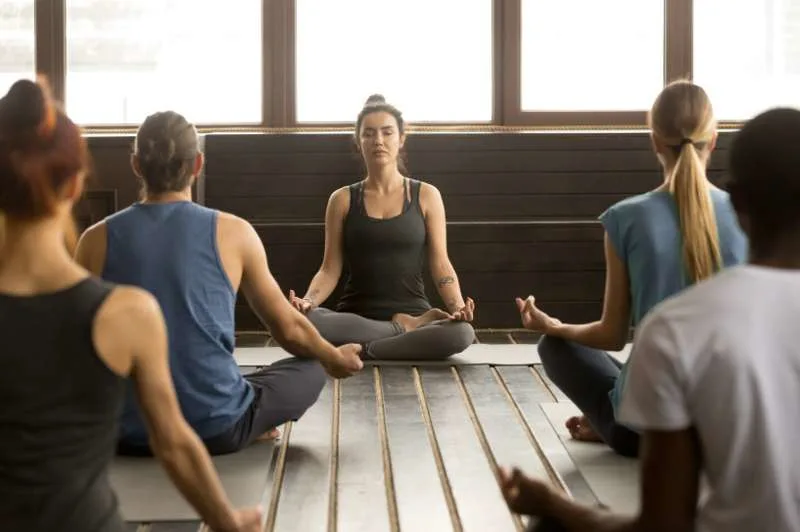
Serious personal practitioners come to this course as well. People who have maintained a meditation practice for years and want to deepen their relationship with breath as a doorway to inner stillness. Those who have read about pranayama but recognize the difference between intellectual understanding and lived practice.
This training is not for people collecting certifications or looking for weekend intensives that promise quick mastery. It's not for those seeking ecstatic experiences or photogenic moments. It's for practitioners drawn to depth, repetition, and the slow work of learning to observe without interfering.
If you're comfortable with silence, if you value restraint over performance, if you're willing to practice the same technique multiple times until you begin to notice what's actually happening rather than what you think should happen—this training will likely feel right.
Why a 100 Hour Breathwork, Pranayama & Meditation Teacher Training
A hundred hours is enough time for the body to remember. Most breathwork courses run over a weekend or perhaps five days. The mind can absorb information in that timeframe, but the nervous system needs longer. Breath patterns are held in the body, not just understood by the brain. Changing those patterns, even slightly, requires repetition and rest.
This 100 hour breathwork pranayama meditation teacher training in Ubud Bali is designed around that understanding. Two weeks allows you to practice a technique on day three, notice something new about it on day seven, and begin to feel its deeper effects by day twelve. The training doesn't rush through dozens of practices. It works with a smaller number of techniques practiced with enough frequency that you begin to feel the difference between doing a practice and inhabiting it.
Breathwork requires particular care in teaching. Unlike asana, where misalignment is often visible, breath patterns operate beneath the surface. A student can appear calm while holding tension in their diaphragm. They can seem engaged while actually dissociating. Teaching breath safely means learning to recognize these subtle signs, and that recognition develops through sustained practice and observation, not through memorizing contraindications in a manual.
The hundred-hour format also allows time for questions to emerge naturally. On day two, you might wonder about breath retention. By day nine, after practicing it repeatedly, you'll have different questions—ones rooted in experience rather than curiosity. Those are the questions worth answering.
Restraint matters in teaching breathwork. The temptation is to offer too much, to guide every inhale and exhale, to fill silence with instruction. A hundred hours gives you enough time to practice teaching while receiving feedback, to notice when you're over-guiding, to learn when to speak and when to let students find their own rhythm.
Why Ubud, Bali
Ubud sits in a river valley surrounded by rice terraces and forest. The air is thick with moisture. Mornings are cool, afternoons bring rain, and evenings settle into a humid warmth that makes the body relax without effort.
The place supports breath practice in ways that aren't immediately obvious. The greenery slows things down. The daily rhythm of Balinese life—offerings at dawn, ceremonies that pause traffic, the sound of gamelan drifting from nearby compounds—creates a background that allows inner work to happen more easily.
There's no need to manufacture stillness here. It's already present in the bamboo forests, in the slow movement of the river, in the way light filters through banana leaves. You don't have to work to disconnect from noise and hurry. The environment does that naturally.
The humidity affects breathing. In dry climates, pranayama can feel sharp or effortful. Here, the moist air softens the breath, makes retention practices gentler, allows the lungs to expand without resistance. It's a small thing, but over two weeks it matters.
Ubud also holds a particular quality of hospitality. Balinese people understand ritual and repetition. They recognize the value of daily practice without needing it explained. There's a respect for silence, for personal space, for the work people come here to do. It's possible to walk through the center of town and still feel held by quietness.
The location supports this breathwork teacher training Bali without demanding attention. It's not a distraction. It's simply a container that makes the work easier.
What You Will Learn
Foundations of Breath Awareness
The training begins with observation. Most people have never watched their natural breath without trying to change it. The first several days focus on noticing breath patterns, recognizing where breath moves easily and where it's held or restricted, and developing the capacity to observe without immediately adjusting.
You'll learn the anatomy of breathing—not just the lungs, but the diaphragm, intercostal muscles, pelvic floor, and how tension in one area affects the entire breath cycle. This isn't academic study. It's felt understanding developed through practice and partner observation.
Classical Pranayama Practices
The curriculum includes foundational pranayama techniques taught in the traditional yogic framework. Nadi shodhana, bhastrika, ujjayi, sitali, bhramari—practiced with attention to technique, rhythm, and the internal effects each practice produces.
These aren't taught as isolated exercises. You'll understand how each practice affects the nervous system, which states of mind they support or disturb, and why sequencing matters. The training emphasizes practicing these techniques yourself before attempting to teach them, recognizing that intellectual understanding doesn't equal embodied knowing.
Breath and Nervous System Regulation
Modern nervous system science aligns closely with traditional breathwork wisdom. You'll study how conscious breathing affects the autonomic nervous system, how different breath patterns signal safety or activation, and how to work with breath to support regulation without forcing it.
This section includes understanding the window of tolerance, recognizing signs of hyperarousal and hypoarousal, and learning to adjust breathwork practices based on nervous system state rather than following a predetermined script.
Subtle Body Understanding
Pranayama operates on the subtle body as much as the physical body. The training includes study of the koshas, nadis, and chakras—not as metaphysical concepts but as maps for understanding internal experience.
You'll learn to recognize the difference between physical sensation, energetic movement, and mental activity. This discernment is essential for teaching meditation and breathwork safely, especially when students report unusual experiences during practice.
Silent and Guided Meditation
The course includes daily meditation practice in both silent and guided formats. You'll practice different meditation techniques—breath-focused, body-based, open awareness—and learn to recognize which approaches support stillness and which create more mental activity.
Teaching meditation requires understanding the difference between concentration and relaxation, between effort and allowing. Much of this learning happens through sustained personal practice rather than instruction.
Teaching Breathwork Safely and Ethically
A significant portion of the training addresses how to teach rather than just what to teach. This includes voice modulation, pacing, language choices, and how to hold space without imposing your own experience onto students.
You'll practice teaching in small groups, receive feedback, and learn to recognize when students need more guidance and when they need less. The training emphasizes teaching from presence rather than performance, from observation rather than assumption.
Contraindications and Responsibility
Breathwork is not universally beneficial. Certain practices are contraindicated for pregnancy, heart conditions, respiratory disorders, and psychological conditions. You'll learn what to ask students before teaching, how to modify practices for different populations, and when to refer students to other practitioners.
The training also addresses the ethical responsibility of teaching practices that can produce altered states. This includes understanding trauma-informed teaching, recognizing when someone is dissociating rather than relaxing, and maintaining appropriate boundaries in teaching relationships.
Daily Schedule
Days begin early, usually around 6:00 AM, with silent meditation and pranayama practice before breakfast. Mornings include technique study, anatomy sessions, and discussion of teaching methodology.
Afternoons are lighter. There's time for rest, personal practice, or walking through rice fields. The schedule recognizes that integration happens in the spaces between formal instruction.
Late afternoon brings another practice session, often focused on teaching practicums where participants guide each other through breathwork sequences and receive feedback.
Evenings include group meditation, Q&A sessions, or silent study time. Two evenings each week are left completely free—no schedule, no expectations. This training for breathwork TTC Indonesia understands that rest is not separate from learning.
One full day mid-training is dedicated to silence and personal practice. No teaching, no discussion. Just time to digest what's been learned and notice what arises when external input stops.
Teaching Approach at Advait Yoga Meditation
The teaching here comes from years of practice rather than certification courses. The instructors teach pranayama because they practice it daily, because they've observed its effects over time, and because they've made mistakes and learned from them.
There's no performance in the teaching. Instructions are clear and minimal. Silence is valued as much as words. The approach is lineage-informed but not rigid—techniques are taught with respect for their traditional roots while acknowledging modern understanding of anatomy and nervous system science.
Students are treated as adults capable of self-observation and personal responsibility. There's no hand-holding, no emotional processing circles, no group sharing unless it emerges naturally. The training assumes you're here to learn, not to be taken care of.
Presence matters more than expertise. The instructors demonstrate techniques, offer adjustments, and answer questions based on direct experience. They also acknowledge when they don't know something rather than inventing answers.
This meditation teacher training Bali approach may feel understated compared to courses that emphasize connection and community. It's designed for people who prefer clarity to warmth, who value precision over enthusiasm, and who trust their own capacity to learn without constant encouragement
Accommodation
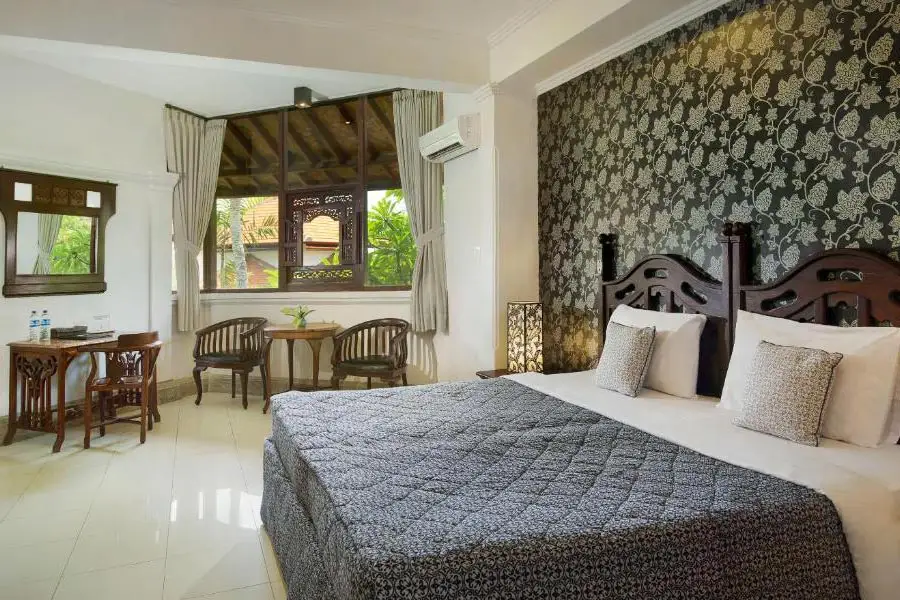
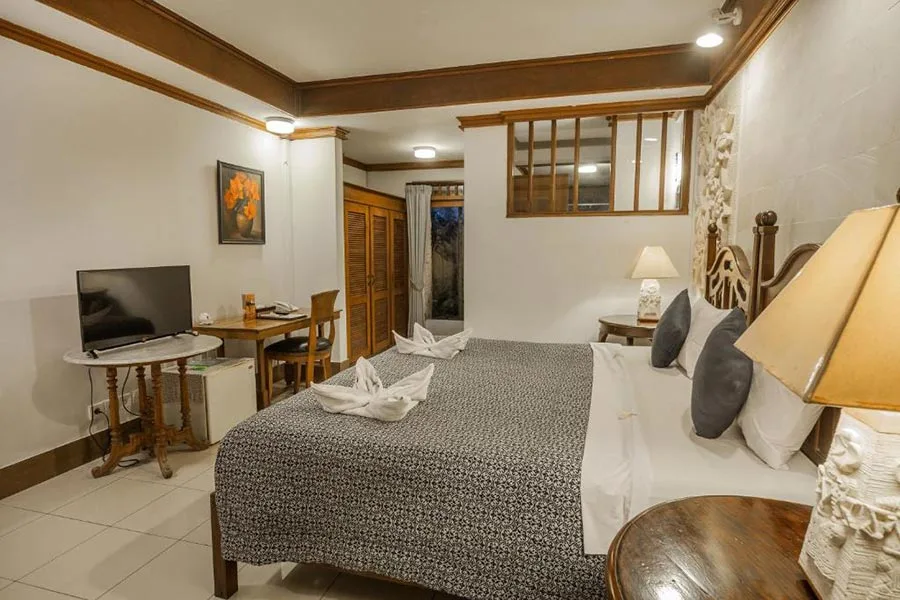
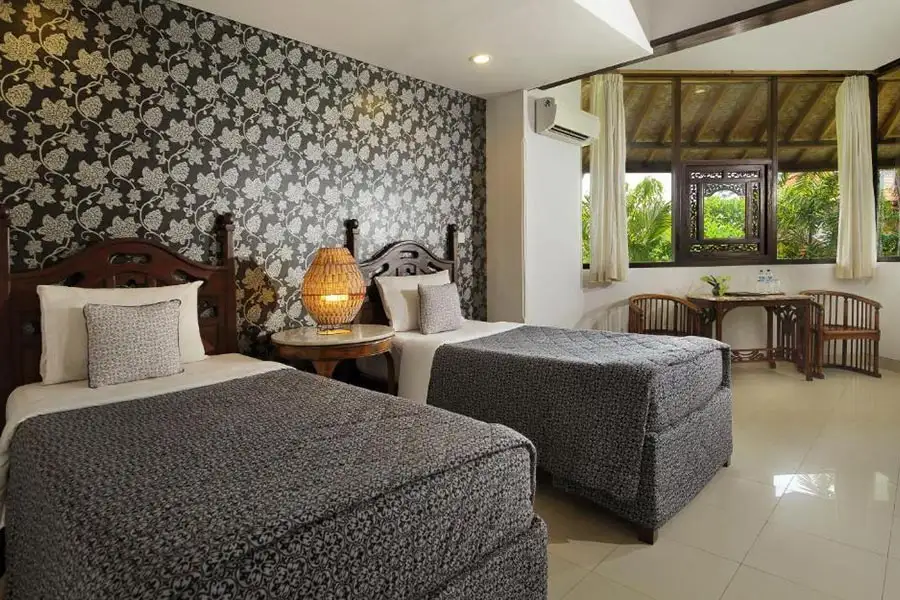
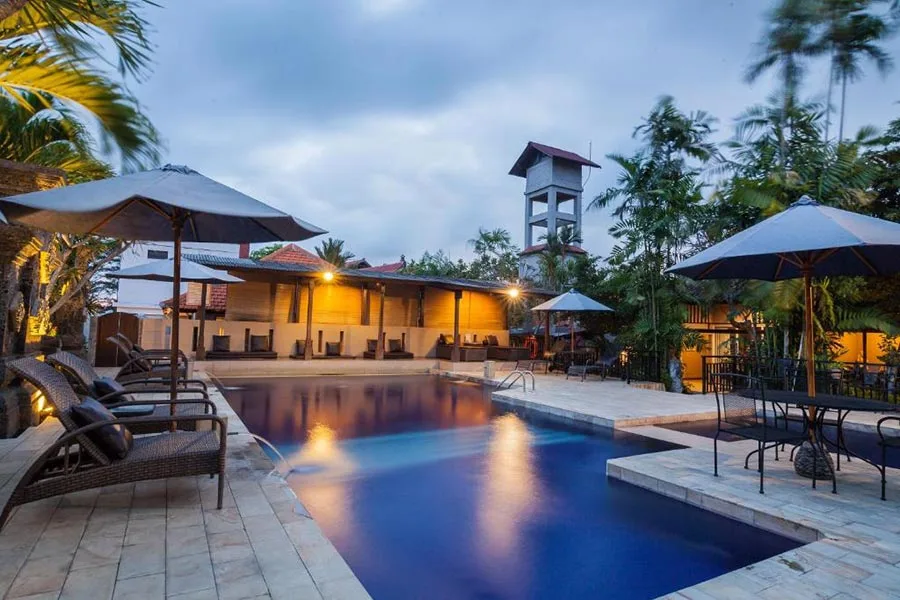
Room Features:
-
Air-conditioned comfort
-
Stunning lagoon or sea views
-
Private modern bathroom
-
Located steps away from the beach 🏝️
-
Resort amenities (pool, lounge, hammocks)
Meals — Healthy & Nourishing
-
3 yogic vegetarian meals prepared daily
-
Fresh fruits, local produce, herbal teas
-
Vegan, gluten-free requests welcomed
Balanced nutrition → deeper practice + better energy ✨

Upcoming Dates
Dates are coming soon for enquiry, connect on inforadvaityoga@gmail.com
What's Included
- 100 hours of instruction and practice
- Accommodation for 14 nights
- Three vegetarian meals daily
- Course materials and manual
- Certification upon completion
What's Not Included
- Flights to and from Bali
- Visa fees
- Travel insurance
- Personal expenses
- Additional meals outside the compound
Refund Policy
Deposits are non-refundable once the course is confirmed. Full payment is required 60 days before the course start date.
Cancellations made 45–60 days before the start date receive a 50% refund of the total course fee, minus the deposit.
Cancellations made less than 45 days before the start date are not refundable.
If you cannot attend due to medical emergency with documentation, a credit toward a future training may be arranged at the discretion of Advait Yoga Meditation.
Practical Information
Arrival
Plan to arrive in Ubud on the day before the training begins. The course starts at 6:00 AM on day one. Late arrivals cannot be accommodated.
Meals
Three vegetarian meals are provided daily. Tea and filtered water are available throughout the day. If you have serious dietary restrictions, inform the school at least two weeks before arrival.
Language
The training is conducted in English. All participants should have functional English comprehension to follow instruction and participate in discussions.
Group Size
Maximum 16 participants. Small group size allows individual attention during teaching practice and ensures everyone receives feedback.
Daily Expectations
You're expected to attend all scheduled sessions unless unwell. This pranayama course in Ubud requires sustained attendance for the practices to build on each other properly. Missing sessions disrupts continuity for yourself and the group.
Silence is maintained in certain areas and during designated times. This isn't a rule imposed from outside—it's a shared agreement that supports everyone's practice.
What to Bring
Comfortable clothing for sitting practice, a notebook, any medications you need, mosquito repellent, and an open schedule. Don't plan to work remotely during the training. Don't schedule calls or meetings. These two weeks require actual presence.
Code of Conduct
This training assumes personal responsibility. You're expected to know your physical and psychological limits and work within them. The instructors offer guidance, not supervision.
Respect for the space includes maintaining cleanliness, adhering to quiet hours, and recognizing that people are here for inner work, not socializing.
If you experience difficulty during practice—physical discomfort, emotional distress, or disorientation—you're responsible for communicating that to instructors rather than pushing through it.
Romantic or sexual relationships between participants create complications in a training environment. If that's your primary interest, this isn't the appropriate setting.
Alcohol and recreational drugs are not permitted during the training. This is stated clearly because breathwork already produces altered states. Adding substances creates risk.
These aren't rules to control behavior. They're boundaries that protect the container for everyone's practice.
Location & How to Get There
Nearest Airport
Ngurah Rai International Airport (DPS) in Denpasar is approximately 90 minutes by car from Ubud.
From Airport to Ubud
Pre-arranged private transfer is recommended. The school can arrange this for an additional fee if booked at least one week in advance.
Taxi from the airport costs approximately 350,000–450,000 IDR depending on traffic. Use official airport taxis or reputable app-based services.
Shared shuttle services operate between the airport and Ubud but require advance booking and take longer due to multiple stops.
Within Ubud
The training center is accessible on foot from most central Ubud locations. Many participants walk or rent bicycles for daily transportation. Motorbike rental is available but not necessary.
FAQ
Is this suitable for beginners?
If you're new to breathwork and meditation but genuinely interested, yes. The training doesn't assume prior knowledge of pranayama techniques. It does assume you're comfortable with your own company, capable of sitting still, and willing to practice consistently over two weeks.
Beginners sometimes learn more easily than people with extensive yoga backgrounds because they arrive with fewer assumptions about what pranayama should feel like.
Is certification provided?
Yes. Participants who complete the full 100 hours receive a certificate from Advait Yoga Meditation. This certifies your attendance and participation in the training.
Whether this certification allows you to teach depends on local regulations and yoga alliance requirements in your area, which vary significantly. The certificate documents what you've studied. What you do with that knowledge is your responsibility.
Can I teach breathwork after this training?
The training provides knowledge, techniques, and teaching practice. Whether you're ready to teach depends on your own assessment of your capacity, not just certification.
Some participants leave ready to integrate breathwork into their existing teaching immediately. Others recognize they need more personal practice before teaching. The training gives you the foundation. Teaching skill develops through practice, observation, and continued study.
Is silence part of the course?
Yes. Some periods are held in complete silence. Other times, silence is maintained in specific areas or during meals. The schedule makes this clear so you know what to expect.
Silence isn't enforced as discipline. It's offered as support for the depth of practice the training requires.
How physically demanding is it?
Not very. You'll sit for extended periods, which some people find challenging initially. The breathwork practices themselves range from gentle to moderately vigorous, but nothing requires athletic ability or flexibility.
The demand is more on attention and consistency than physical stamina. Showing up each day, practicing when your mind wants distraction, sitting when your body wants to move—that's where the challenge lives.